
Best bike kickstand for adult bike shopping usually starts after one annoying moment: you park, turn away, and your bike slowly tips into a car, a wall, or the ground. A kickstand sounds simple, but adult bikes vary a lot in frame shape, tire size, load, and riding style, so “universal” often means “kind of fits, kind of wobbles.”
If you want a kickstand that actually feels stable, your best move is matching the stand to your bike’s mounting style, wheel size, and how you use the bike day to day. Commuters, e-bikes, touring bikes with panniers, and quick grocery runs all stress a stand differently.
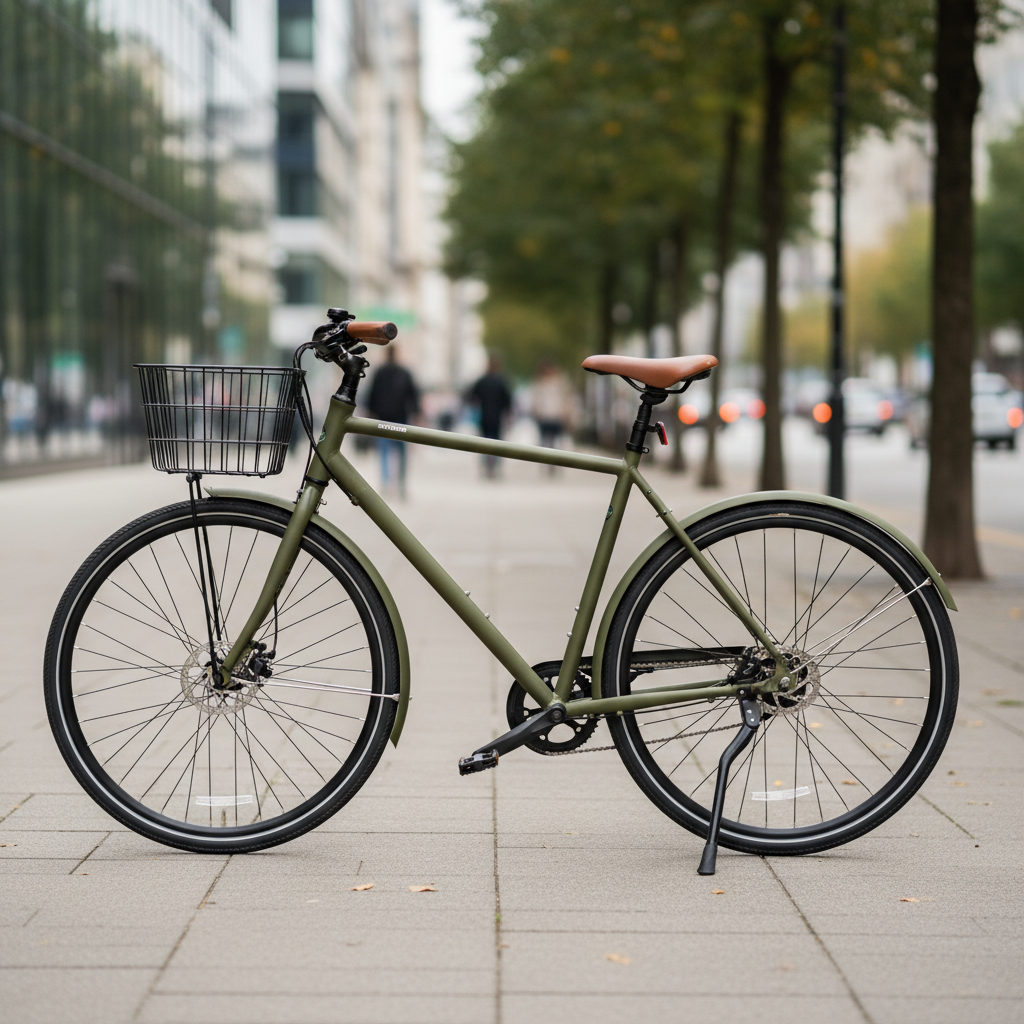
This guide narrows it down the way a bike shop would: what type fits your frame, what holds up under real weight, what installs cleanly, and what’s worth paying for. You’ll also get a quick self-check list, a comparison table, and a few install tips that prevent the classic “loosens after two rides” problem.
What makes a kickstand “best” for an adult bike in 2026
The best pick isn’t the priciest stand, it’s the one that matches your bike’s geometry and your parking habits. Most adult riders care about three outcomes: the bike stays upright, the stand doesn’t rattle loose, and it doesn’t interfere with pedaling or shifting.
- Fit and mounting: center-mount plates, rear chainstay mounts, and clamp-on designs are not interchangeable in many cases.
- Stability under load: groceries, racks, panniers, and e-bike batteries change the center of gravity.
- Adjustability: wheel size and tire profile affect lean angle, small differences can cause big wobble.
- Ground contact: foot shape and rubber pads matter on slick garage floors or soft dirt.
Key takeaway: if you want the best bike kickstand for adult bike use, choose the mounting style first, then choose stability features, then worry about price.
Common reasons kickstands fail (and it’s usually not “bad luck”)
When people say a stand “doesn’t work,” the failure is often predictable. It’s usually fit mismatch, not rider error.
- Wrong mount type: a clamp-on stand on an oddly shaped chainstay can twist under load.
- Too short or too long: the bike leans too far, or not enough, then a small bump knocks it over.
- Underbuilt for weight: common on e-bikes, cargo-ish commuters, and bikes with rear racks.
- Loose fasteners: bolts back out after vibration, especially if installed without proper torque.
- Foot sinks: narrow feet dig into grass or gravel and the bike slowly lists over.
According to NHTSA (National Highway Traffic Safety Administration), safe cycling includes maintaining equipment so it works as intended; a kickstand that fails in a tight parking area can create a fall risk or a traffic hazard when you’re distracted. Not a dramatic point, just a practical one.
Quick fit checklist: figure out what your bike can accept
Before you buy anything, take 2 minutes with your phone flashlight and check these spots. This is the part most listings gloss over, then returns happen.
- Do you have a center-mount plate? Look behind the bottom bracket for a flat plate with holes.
- Is there chainstay clearance? Some frames or disc brake calipers crowd the mounting area.
- Wheel size: 26, 27.5, 700c, 29—kickstands often cover ranges, but not always well.
- Tire width: wide tires can change lean angle and reduce clearance to the stand.
- Bike weight and load: add your rack + typical cargo mentally, not just the bike’s stock weight.
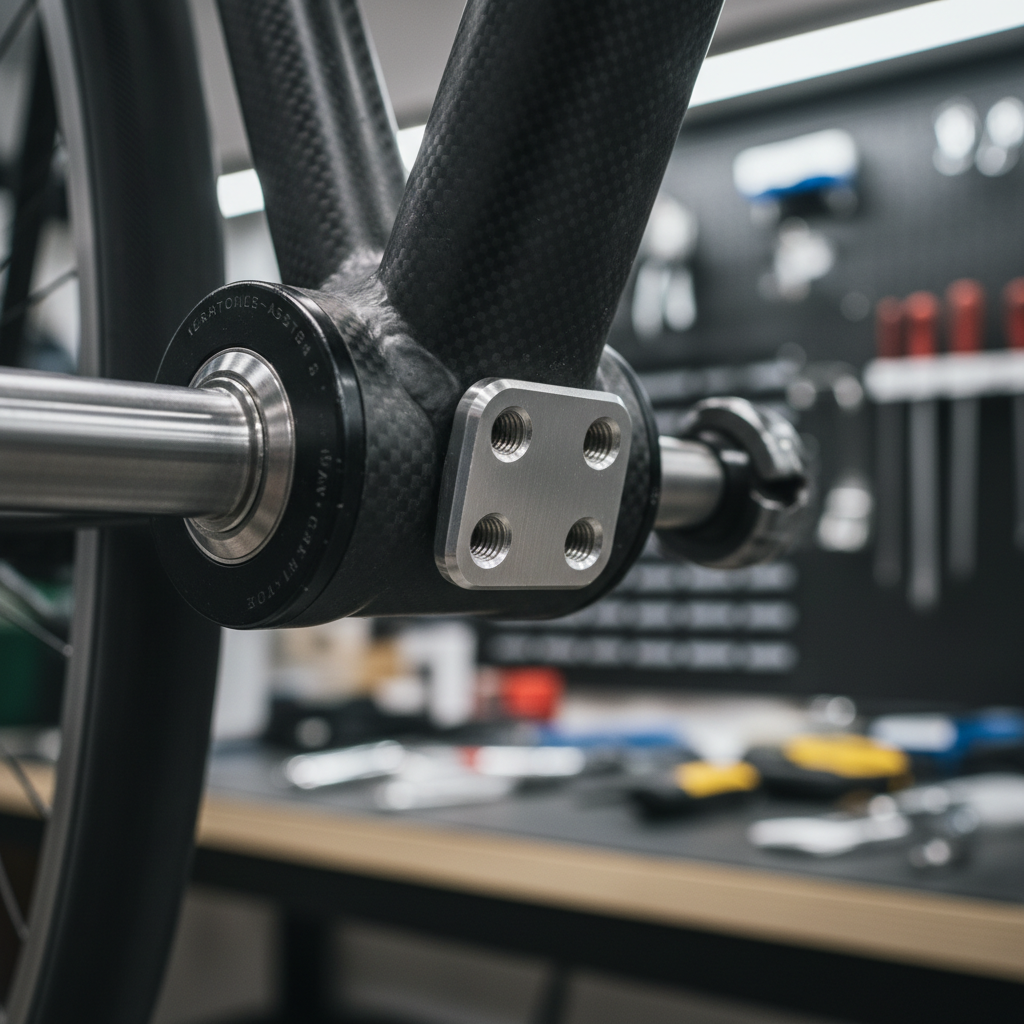
If you’re unsure about the mount type, a local bike shop can identify it in seconds. And if your frame is carbon or has unusual tube shapes, it’s worth being extra cautious with clamp pressure.
Kickstand types for adult bikes: what to choose and when
There are three mainstream categories you’ll see in 2026. Each can be “best” depending on your bike.
Center-mount (middle stand)
Mounts near the bottom bracket, often using a plate. Usually stable and keeps the bike balanced, but not all frames support it.
- Good for: commuters, hybrids, many city bikes
- Watch for: chainstay interference, clearance with wide cranks
Rear-mount (chainstay / seatstay area)
Common on bikes without center plates. Can be very stable when designed well, but cheap clamp versions can rotate.
- Good for: many MTB/hybrid frames, bikes with limited center clearance
- Watch for: disc brake caliper clearance, heel strike on some frames
Double-leg (dual stand) for heavy loads
These hold the bike more upright and distribute weight, which helps on e-bikes, touring setups, and loaded racks. They’re heavier and can reduce ground clearance in corners.
- Good for: e-bikes, cargo commuters, panniers, child seat setups
- Watch for: chainline clearance, installation complexity, added weight
Comparison table: match the “best” choice to your use case
Use this as a quick sorting tool. It won’t replace fit checks, but it prevents obvious mismatches.
| Rider / bike scenario | Recommended kickstand type | Why it tends to work | Typical tradeoff |
|---|---|---|---|
| Daily commuter, light cargo | Center-mount, adjustable length | Stable lean, easy parking at racks | Needs correct mounting plate/clearance |
| Hybrid/MTB used around town | Rear-mount with anti-rotation design | Fits more frames, solid when installed well | Can loosen if clamp area is odd-shaped |
| E-bike (heavier frame) | Heavy-duty rear-mount or double-leg | Handles weight and higher center mass | More weight, may need careful clearance check |
| Touring with panniers | Double-leg (if compatible) or robust center-mount | Less tip-over when loading/unloading | Bulkier, can affect cornering clearance |
| Gravel bike / performance road | Often none; if needed, discreet rear-mount | Preserves clearance and weight priorities | Fit is trickier, and stability varies |
How to pick the best bike kickstand for adult bike use: a practical spec list
Product pages love buzzwords, but a few specs actually predict whether you’ll be happy.
- Adjustable length with clear markings: lets you dial in lean angle without guesswork.
- Wide, grippy foot: helps on asphalt, garage floors, and packed dirt.
- Anti-rotation hardware: look for serrated washers or a keyed interface to resist twisting.
- Material and hardware quality: aluminum bodies with solid bolts typically outlast soft, generic fasteners.
- Clear compatibility notes: wheel size range, mount type, and e-bike suitability should be explicit.
If you’re parking on slopes a lot, prioritize a stand that gives a confident lean without feeling like it’s one nudge away from folding.
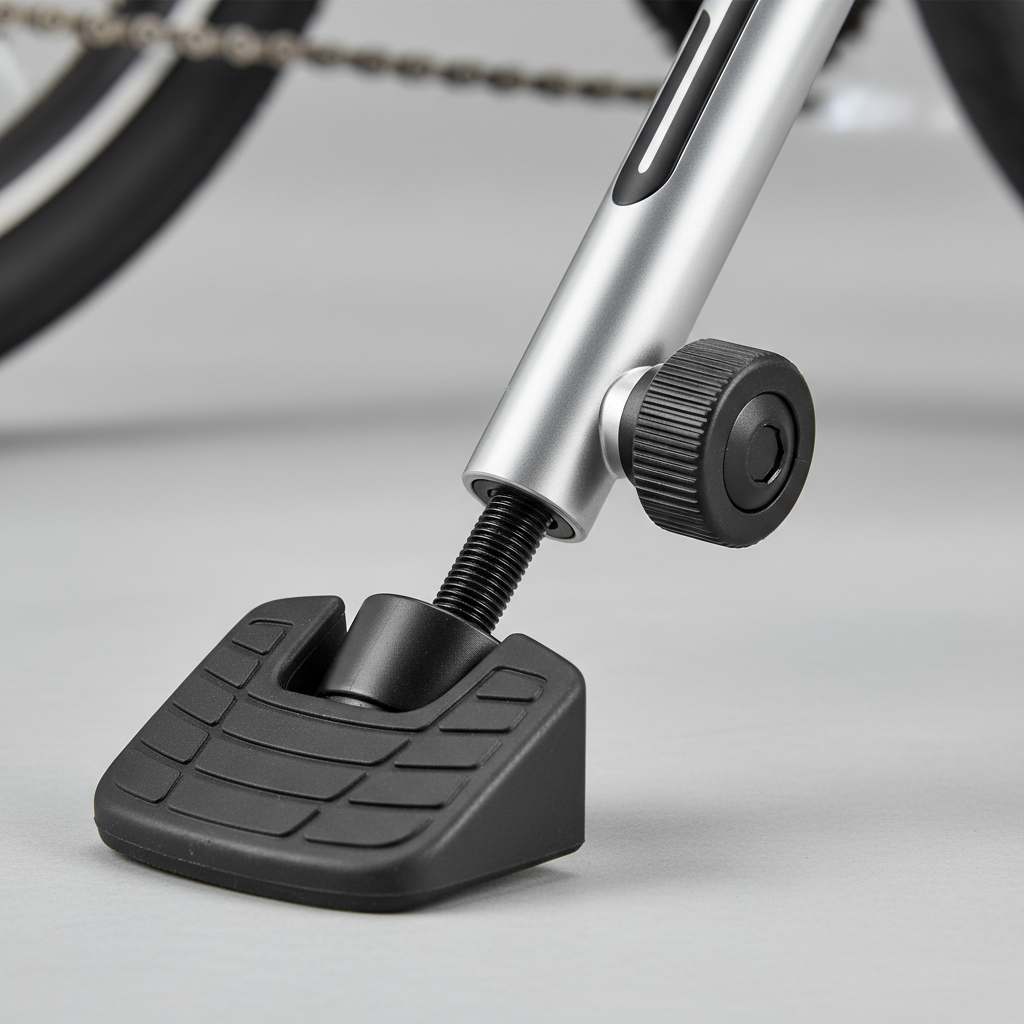
And if your bike is an e-bike or often carries gear, it’s usually smarter to buy a stand marketed as heavy-duty rather than hoping a standard model “probably holds.”
Installation tips that prevent wobble, rubbing, and bolt loosening
A kickstand can be the right model and still perform poorly if installation is rushed. This is the quick process that tends to hold up.
- Clean the mount area: grit between clamp and frame invites slipping.
- Set length for real conditions: adjust while the bike has typical load, even a bag on the rack changes lean.
- Tighten to reasonable torque: too loose slips, too tight risks damage, especially on lightweight frames.
- Re-check after a few rides: vibration can settle parts, a second tighten is common.
According to Park Tool, using the correct tool size and tightening fasteners appropriately helps prevent stripped bolts and component movement. If you don’t have a torque wrench and you’re working on a premium frame, asking a shop to install can be a good trade.
Mistakes to avoid (the stuff that wastes money)
A few patterns show up again and again in returns and “this stand is trash” reviews. Many are avoidable.
- Buying based only on wheel size: mounting style and clearance matter more.
- Ignoring disc brake clearance: rear mounts can clash with calipers and adapters.
- Expecting a single-leg stand to stabilize heavy rear loads: panniers can make the bike pivot and tip.
- Over-clamping delicate frames: carbon and thin-wall alloy need extra care, consider professional install.
- Parking on soft ground without a wider foot: it “works” on pavement, then sinks at the park.
One more thing people don’t love hearing: if your bike is consistently unstable on a stand, sometimes it’s the parking surface, not the product. Sloped driveways and loose gravel are tough on any single contact point.
When it’s worth asking a bike shop (or the manufacturer)
If you’re stuck between two mount types, or your frame has unusual tubing, it’s safer to ask. That’s especially true for e-bikes, carbon frames, and bikes with internal routing near clamp points.
- You can’t confirm whether your frame supports center-mount hardware
- The kickstand interferes with your drivetrain, brake hose, or rotor
- You see paint cracking or crushing near a clamp area
- Your bike carries a child seat or heavy cargo and stability feels borderline
In those cases, a shop can recommend a compatible solution, and in many situations the bike brand’s support team can confirm approved mounting points so you don’t gamble on fit.
Conclusion: a “best” kickstand is mostly about fit, not hype
For most riders, the best results come from a simple approach: confirm your mounting style, pick a stand built for your bike’s weight and typical cargo, then install with care and re-check tightness after a few rides. That’s what separates a solid everyday setup from constant tip-overs.
If you want one action step today, do the fit checklist and take two quick photos of your mounting area, then match those to the kickstand type before you buy. It saves time, and it usually saves a return.
FAQ
- What is the best bike kickstand for adult bike commuting?
Many commuters do well with an adjustable center-mount stand if the frame has the correct plate and clearance. If your bike lacks that mount, a well-designed rear-mount with anti-rotation features can be a strong second choice. - Do kickstands fit all adult bikes?
Not really. Wheel size matters, but mount type and frame clearance decide whether a kickstand sits straight and stays tight, especially on bikes with disc brakes or unusual chainstay shapes. - Is a double-leg kickstand worth it for an e-bike?
Often, yes, because e-bikes are heavier and can feel tippy when parked. Compatibility varies though, so check ground clearance and mounting points, and consider a shop install if the frame area is tight. - Why does my kickstand keep loosening?
Common causes include a dirty clamp surface, insufficient tightening, or a clamp placed on a tapered or oddly shaped tube. It can also be a mismatch between stand design and the bike’s weight or cargo load. - How do I know what length kickstand I need?
Look for models with an adjustable range that includes your wheel size, then set the length so the bike leans confidently without feeling like it’s about to fall. If you frequently carry loads, adjust with that weight on the bike. - Can I add a kickstand to a carbon frame adult bike?
Sometimes, but it’s more sensitive. Clamp pressure and contact points matter, and some carbon frames are not intended for clamp-on stands, so checking with the manufacturer or a bike shop is a safer move.
If you’re trying to choose the best bike kickstand for adult bike setup without guessing, a good workflow is to note your mount type, wheel size, typical cargo weight, then shortlist two or three compatible styles and ask a shop to confirm fit before you commit.