
Best bike handlebar tape soft usually means one thing in real life: your hands stop going numb, your palms stop feeling “buzzed,” and long rides feel less like a test of patience.
If you have ever swapped tires, tweaked tire pressure, even changed gloves and still end up with sore ulnar nerves or hot spots, bar tape is the overlooked lever. It is also cheap compared with most comfort upgrades, which makes it worth getting right.
The catch is that “soft” can hide trade-offs, too much cushion can feel vague, some grippy tapes tear fast, and some plush wraps get slippery when sweat or rain shows up. This guide helps you pick tape based on material, thickness, texture, and riding style, then wrap it so it actually delivers the comfort you paid for.
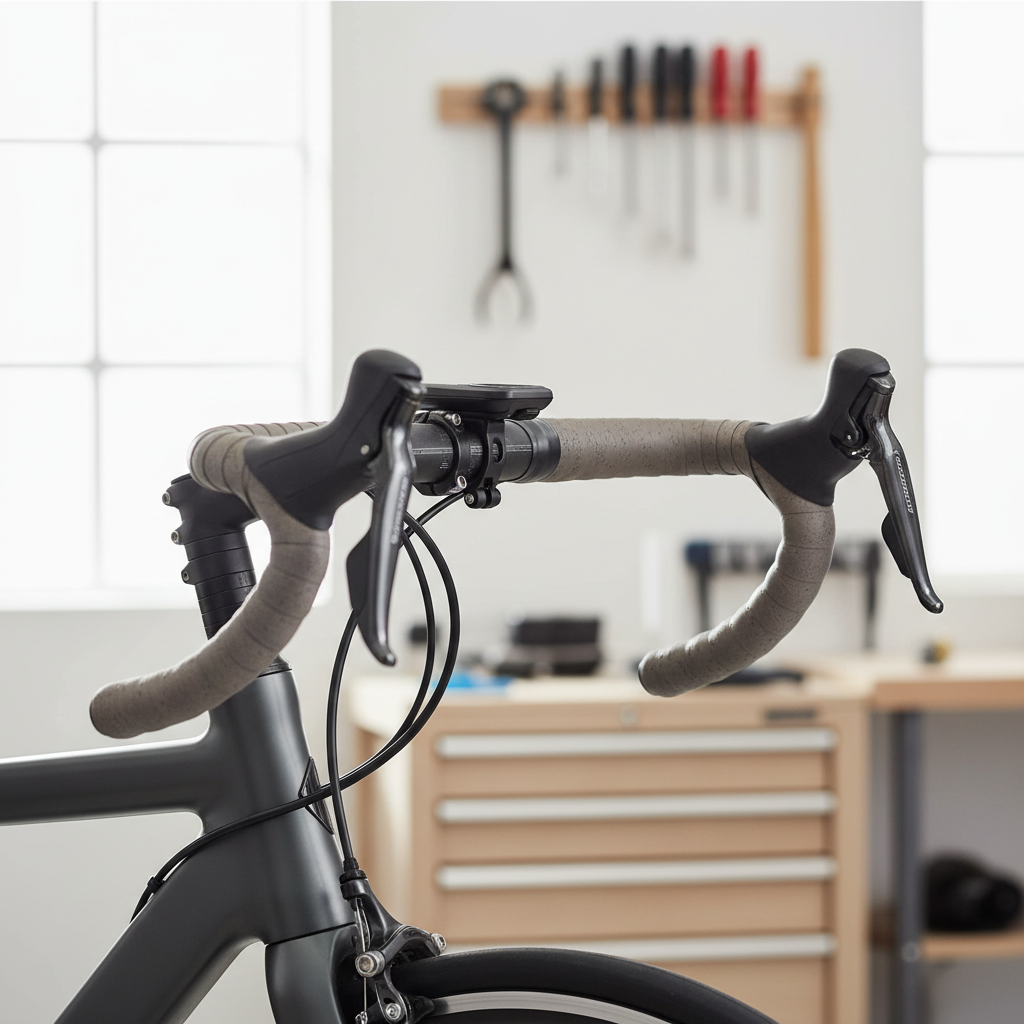
What “soft” handlebar tape really means (and what it does not)
Softness is a mix of cushion and compliance. Cushion is how much the tape compresses under your hand. Compliance is how it behaves after hours of pressure, does it rebound, or does it pack down and feel thin.
It also helps to separate comfort problems:
- Road buzz: high-frequency vibration from rough pavement, often improved by thicker tape, gel layers, or compliant foam.
- Pressure points: localized pain, often improved by better wrapping technique, double-wrapping targeted zones, or changing hand position.
- Grip fatigue: you squeeze harder when tape feels slick or too hard, so a tackier texture can reduce strain.
One more reality check: ultra-soft tape cannot fix an ill-fitting cockpit by itself. Bar width, reach, hood angle, and saddle position still matter. According to Bike Fit (International)... a professional bike fit typically looks at contact points as a system rather than isolated parts, which is why tape is helpful but not magic.
Quick decision guide: match softness to your riding style
If you want the best bike handlebar tape soft option for your setup, start with how you ride, not the marketing copy.
| Riding scenario | What to prioritize | Typical sweet spot |
|---|---|---|
| Endurance road (2–6 hours) | Cushion + secure grip | 2.5–3.5 mm, tacky finish |
| Gravel / chipseal | Vibration damping + durability | 3.0–4.0 mm or gel underlayer |
| Hot weather / sweaty hands | Texture that stays controllable | Moderate thickness, micro-texture |
| Rainy commuting | Wet grip + easy cleaning | Textured PU, not overly plush |
| Racing / sprinting | Direct feel (some comfort) | 2.0–2.5 mm, tacky, firm foam |
When people say “I need softer tape,” they often mean “I need less vibration” or “I need less pressure on the outer palm.” Those can point to different tape choices.
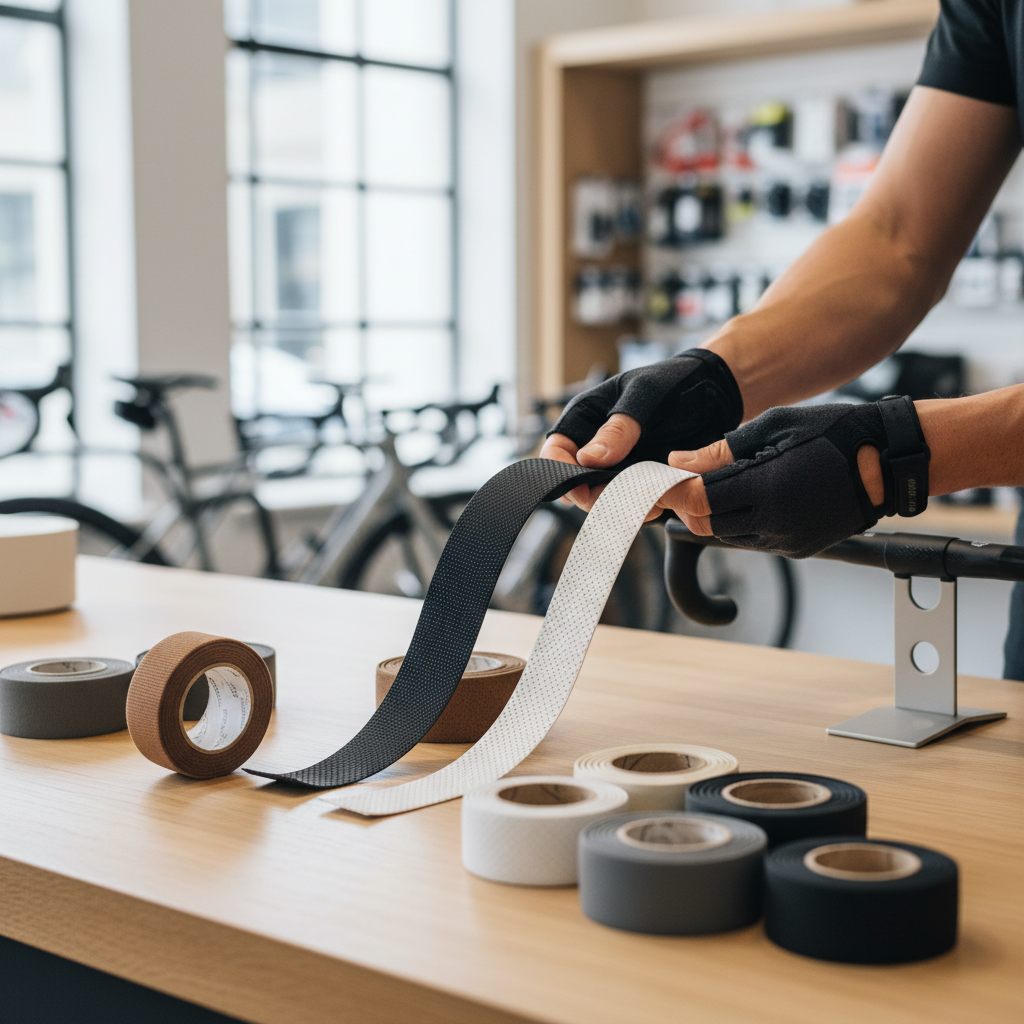
Materials and thickness: where comfort actually comes from
Most soft bar tapes fall into a few common constructions. Here is how they tend to behave on real rides.
PU (polyurethane) with foam backing
This is the mainstream “tacky road tape.” It can feel plush without being spongy, wraps cleanly, and usually holds up well. If you want soft plus control, this category is often the safest bet.
EVA foam
EVA can feel very cushy at first touch, and some riders love it for endurance and gravel. The downside is that some EVA tapes can pack down faster, especially where your hands rest on the hoods.
Cork blends
Cork-feel tapes are often comfortable and forgiving, especially on mixed surfaces. The grip can vary a lot by brand and surface pattern, so it is worth paying attention to texture, not just “cork” on the label.
Gel-backed tape or gel pads under tape
If your main complaint is buzzing hands, gel can help, but it can also make the bar feel slightly larger and less defined. Many riders prefer a normal tape + targeted gel pads approach to keep steering feel.
Thickness (rule of thumb)
- 2.0–2.5 mm: more road feel, still comfortable if the material is good.
- 2.5–3.5 mm: the common comfort zone for endurance road.
- 3.5–4.5 mm: maximum plush, best for rough roads, but can feel bulky for small hands.
Also, be honest about hand size. A very thick wrap can force a tighter grip, which defeats the purpose for some riders.
Comfort checklist: is your pain a tape problem or a fit problem?
Before you buy the softest roll you can find, run this quick self-check. It saves money and frustration.
- Numbness mainly in ring/pinky fingers: could be ulnar nerve pressure, tape may help, but hood angle and reach often matter.
- Pain only on rough roads: tape thickness or gel underlayer usually helps.
- Hands slip when sweating: choose texture and tackiness, not just softness.
- One hand hurts more: could be asymmetry, cleat position, or cockpit alignment, tape alone may not solve it.
- You ride on the tops to “escape” discomfort: that often points to hood position or bar shape.
According to American Academy of Orthopaedic Surgeons (AAOS)... persistent numbness or tingling in the hand can relate to nerve irritation, so if symptoms keep returning even after equipment changes, consider asking a qualified clinician or fitter for guidance.
Top picks criteria for 2026: how to choose the best soft tape without overthinking
Instead of chasing a single “winner,” it is more practical to pick by criteria. This is how I would filter options when shopping for the best bike handlebar tape soft in 2026.
- Surface grip in your conditions: dry-only grip is not enough if you ride in rain or sweat a lot.
- True thickness vs. squish: some 3.2 mm tapes feel firmer than a 2.5 mm gel tape, read for “firm” vs “plush” notes in specs.
- Wrap friendliness: stiff tapes fight you at the hoods, very stretchy tapes can thin out if you pull too hard.
- Edge durability: look for tapes that resist tearing where your palms twist on climbs.
- Cleanability: light colors can look great, but commuting grime is real.
Key takeaway: most riders get better comfort by choosing a moderately thick, grippy tape and wrapping it correctly, rather than buying the thickest option and hoping it fixes everything.
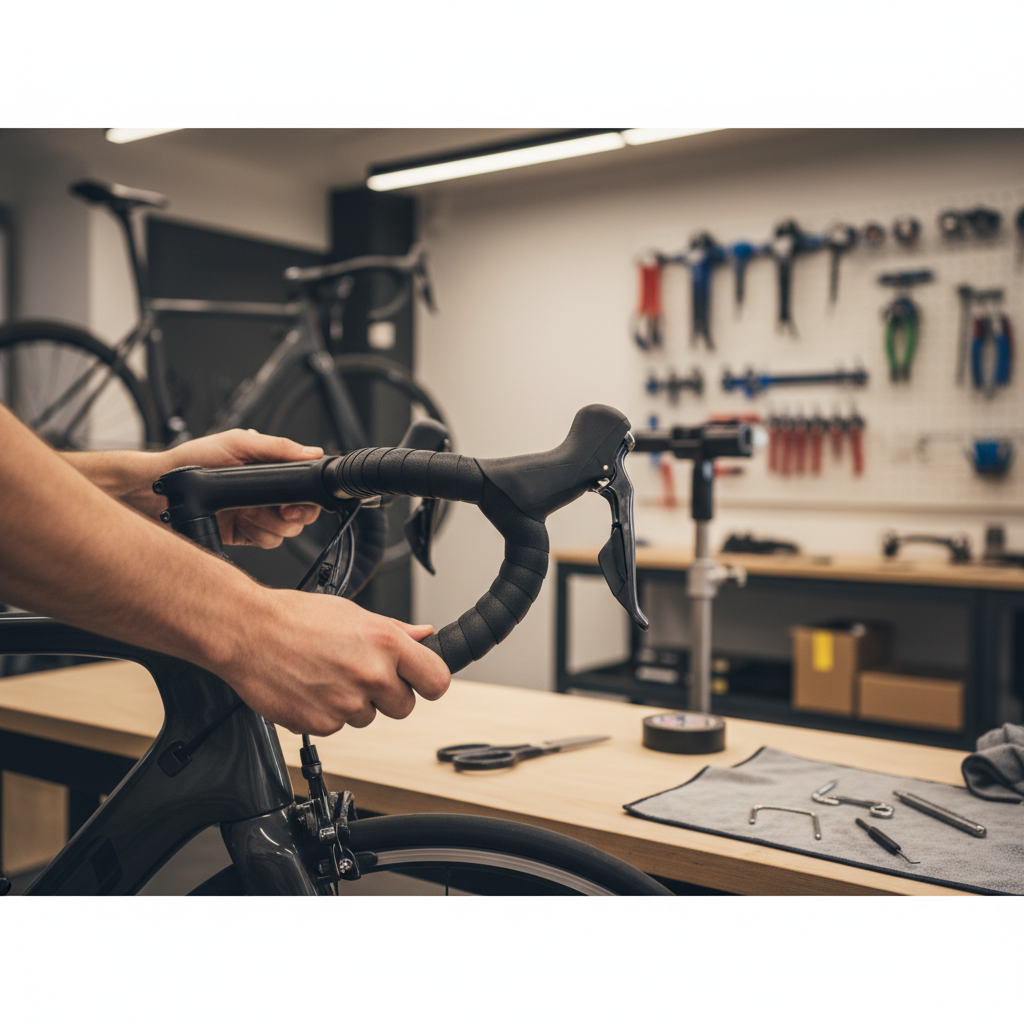
How to wrap for maximum comfort (this matters as much as the tape)
Even the best tape can feel harsh if it is wrapped with thin spots or awkward seams. Small technique changes can noticeably shift comfort.
Step-by-step comfort wrap
- Start with consistent overlap: many riders like about one-third overlap, more overlap equals more thickness.
- Add targeted “double wrap” zones: a short extra strip on the tops near the clamp area or behind the hoods can reduce pressure points.
- Do not over-stretch: pulling too hard thins the tape, especially on the curves.
- Keep seams away from high-pressure spots: place finishing tape so your palm does not grind on the edge.
- Re-check hood covers: a wrinkled hood cover can create a ridge that feels like bad tape.
If you ride gravel or rough chipseal, consider combining a reasonable thickness tape with gel pads only under the tops, that keeps the hoods from feeling oversized while still cutting buzz.
Mistakes that make “soft” tape feel worse
A few common missteps show up again and again, usually because people chase softness but forget control.
- Going too thick for your hands: you grip harder, forearms fatigue, and comfort drops.
- Choosing smooth tape for sweaty rides: it can feel great in the garage, then turn sketchy outdoors.
- Ignoring gloves: glove padding and tape padding stack, sometimes too much, which reduces bar feel.
- Wrapping unevenly: thin gaps become pressure points, especially on long climbs.
- Assuming numb hands are “normal”: it is common, but it is still a signal worth responding to.
If your hands keep going numb after you switch to best bike handlebar tape soft options and improve wrapping, that is usually the moment to look at fit and posture, not to keep buying thicker tape.
When to consider professional help
DIY changes cover a lot, but some situations deserve a more careful look. If pain or tingling persists, worsens, or starts affecting daily tasks, it is reasonable to talk with a qualified bike fitter, physical therapist, or other appropriate professional.
- Persistent numbness that lasts after rides
- Sharp pain rather than general soreness
- Neck or shoulder symptoms that appear with hand discomfort
- Frequent hand weakness or dropping items off the bike
According to Centers for Disease Control and Prevention (CDC)... ergonomics and repetitive strain concepts apply broadly, so if your work setup already irritates wrists or nerves, your bike contact points may need extra care as well.
Conclusion: a practical pick for 2026
The best bike handlebar tape soft choice in 2026 is usually a moderately thick, tacky tape that matches your conditions, plus a wrap that avoids thin spots and seams under your palms. Start with thickness in the 2.5–3.5 mm range for endurance road, move thicker or add gel only if rough surfaces drive your discomfort.
If you want a simple next step, pick one tape aimed at comfort, re-wrap with consistent overlap, then ride two longer outings before judging. Comfort changes can feel subtle on a 30-minute spin and obvious at mile 40.
FAQ
- What thickness is best for soft handlebar tape?
For many riders, 2.5–3.5 mm lands in the comfort zone without making the bar feel huge, but hand size and glove padding can push that up or down. - Is gel tape always more comfortable?
Gel can reduce vibration, yet it can also feel bulky on the hoods. Many riders prefer gel pads in targeted areas under a normal tape. - How often should I replace soft bar tape?
When it looks shiny and compressed where your hands rest, or when grip drops in wet conditions, it is usually time. Heavy sweat and frequent riding shorten lifespan. - Why do my hands still go numb with cushy tape?
Often it is reach, hood angle, or too much weight on the hands. Softer wrap helps, but it cannot fully compensate for fit issues. - Can I double-wrap my bars?
Yes, especially for rough roads, but keep an eye on bar diameter. If it forces a tighter grip, try targeted double wrap on the tops instead. - What texture should I choose for sweaty hands?
Look for micro-texture or tacky PU surfaces. Very smooth “leather look” tapes can feel slippery in summer rides.
If you are trying to dial in comfort for longer rides and want a more predictable result, it often helps to list your surfaces, typical weather, and current tape thickness, then choose one change at a time so you can actually feel what made the difference.