
Metabolism Boost gets talked about like a magic switch, but in real life it usually comes down to a few practical levers you can pull with exercise: build or protect muscle, add purposeful intensity, and keep daily movement from dropping when you start training.
If you feel like you work out and still “burn nothing,” you’re not alone. Many people choose workouts that feel productive but don’t meaningfully change muscle mass, fitness, or total weekly movement, so the payoff looks small and motivation tanks.
This guide breaks down what actually moves the needle, what’s mostly hype, and how to put workouts together in a way that supports fat loss, energy, and long-term health without living in the gym. If you have a medical condition, are pregnant, or take medications affecting heart rate or metabolism, it’s smart to check with a qualified clinician before changing training intensity.

What “metabolism” really means (and what exercise can change)
Metabolism is the total energy your body uses, not just what happens during a workout. The big buckets are resting metabolic rate, activity (exercise plus daily movement), and the energy cost of digesting food.
Exercise can influence all three, but not equally. Resting metabolic rate is strongly tied to body size and lean mass, while the “activity” bucket is where most people can create the most flexible change week to week.
Where exercise helps most
- More lean mass: strength training helps preserve or build muscle, which can support resting calorie burn over time.
- Higher fitness: improved conditioning makes it easier to do more total work, even outside the gym.
- Afterburn effect: harder sessions can raise post-exercise oxygen consumption for a while, but it’s usually a bonus, not the main event.
According to the American College of Sports Medicine (ACSM), combining aerobic training with resistance training supports broad health outcomes, and that mix is often the most realistic path to sustained body composition change.
Why your Metabolism Boost may feel “stuck” even if you exercise
Most plateaus are more boring than people expect. The body adapts, and habits shift without you noticing.
Common real-world reasons
- NEAT drops: you subconsciously move less the rest of the day after workouts (fewer steps, more sitting).
- Workouts stay in the comfort zone: the same weights, same pace, same class, month after month.
- Recovery gets messy: poor sleep and high stress can increase hunger and reduce training quality.
- Protein too low: hard to maintain muscle while dieting or doing lots of cardio.
- Weekend “rebound”: a couple high-calorie days can erase a modest weekly deficit.
This is why a Metabolism Boost plan usually works better when you track one or two simple inputs (like steps and training progression) rather than chasing a single “fat-burning” workout.
Quick self-check: which bucket are you in?
Before changing your routine, get honest about what’s happening. You don’t need a wearable to do this, just a week of attention.
- If you rarely get stronger (reps/weight never improve), you likely need a clearer strength progression.
- If steps vary wildly (some days 2k, some days 12k), your weekly activity total may be inconsistent.
- If you’re always sore and dread sessions, intensity or volume may be too high for your recovery.
- If you feel “puffy” and exhausted, sleep, stress, sodium, and menstrual cycle changes can mask fat loss on the scale.
- If workouts are frequent but you’re hungry all day, you may be under-fueling protein and fiber.
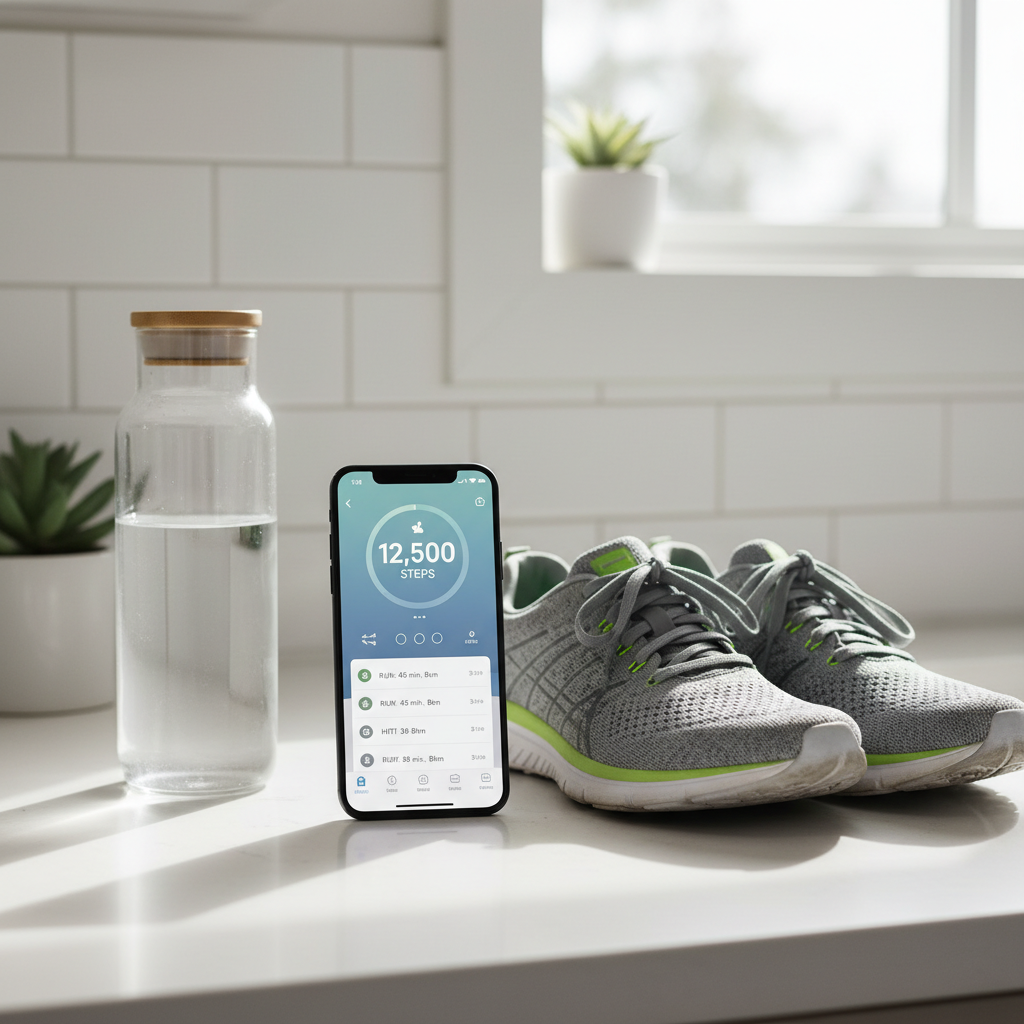
The workouts that tend to support a Metabolism Boost (ranked by practicality)
Not every effective approach feels glamorous. The best choice is the one you can repeat, progress, and recover from.
1) Strength training (the “base layer”)
If your goal includes a Metabolism Boost, strength training is usually the anchor because it supports lean mass and gives you a clear progression target.
- Focus on big patterns: squat or leg press, hip hinge (deadlift variation), push, pull, carry.
- Use a rep range you can control: often 6–12 reps for main lifts, 10–15 for accessories.
- Progress weekly: add 1–2 reps, or a small weight increase when reps feel solid.
2) Zone 2 cardio (the “volume builder”)
Steady cardio at a conversational pace helps you accumulate weekly calorie burn without wrecking recovery. It also supports heart health and can make harder work feel easier over time.
According to the Centers for Disease Control and Prevention (CDC), adults benefit from regular aerobic activity plus muscle-strengthening activity; that combination maps well to fat loss plans because it’s sustainable for many people.
3) Interval training (the “spice,” not the whole meal)
Intervals can be great when used sparingly, especially if you’re short on time. But they’re also the easiest to overdo, which can backfire through fatigue, nagging aches, or inconsistent adherence.
- Start with 1 session per week.
- Keep it short: 10–20 minutes of intervals after a warm-up.
- Choose low-impact options if joints complain: bike, rower, incline walk.
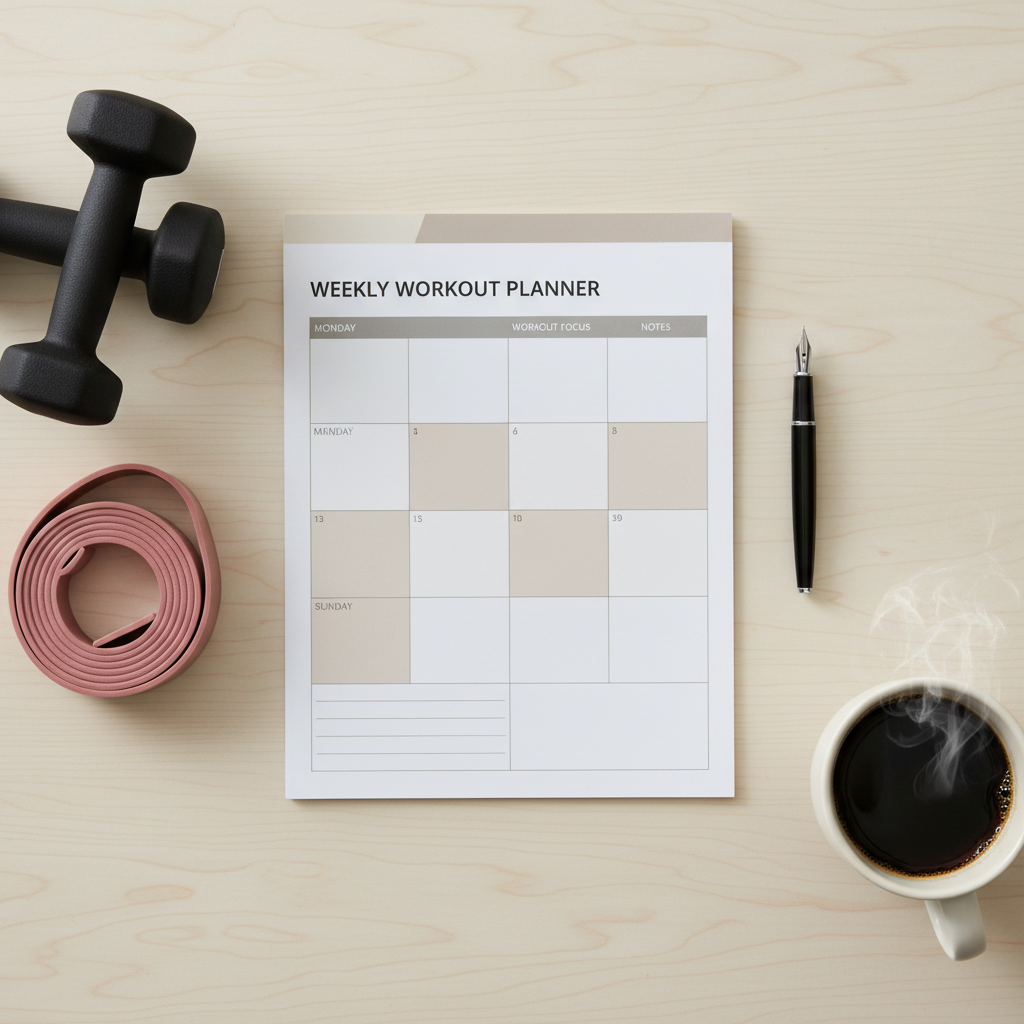
A simple weekly plan (and how to adjust it)
This is a solid default for many busy adults, and you can scale it up or down. If you’re new, doing less consistently beats doing a lot for two weeks and quitting.
Sample week for a practical Metabolism Boost
| Day | Session | Target |
|---|---|---|
| Mon | Strength (full body) | 45–60 min, progressive overload |
| Tue | Zone 2 cardio + steps | 30–45 min, conversational pace |
| Wed | Strength (full body) | 45–60 min, add reps or load |
| Thu | Easy movement | Walk 20–40 min, mobility |
| Fri | Intervals (optional) or Zone 2 | 10–20 min intervals or 30 min easy |
| Sat | Strength (full body) or longer walk | Short lift or 60–90 min easy activity |
| Sun | Rest | Recovery, sleep, meal prep |
How to adjust without overthinking
- Low energy: keep strength sessions, shorten cardio.
- Joint pain: swap jumping/running for cycling, rowing, incline walking.
- Time-crunched: do 2 strength days + 2 brisk walks, then build.
- Plateau: increase weekly steps by 1,000–2,000 per day or add one Zone 2 session.
Practical tips that make the plan work in real life
Exercise can support a Metabolism Boost, but your routine needs a few guardrails so it doesn’t collapse under stress, travel, or a busy week.
Key points to keep you progressing
- Track one strength metric: pick 2–4 main lifts and write down weight and reps.
- Set a step “floor”: many people do well with a consistent baseline, then add on training days.
- Protein at each meal: it helps satiety and supports muscle; exact needs vary, consider a dietitian if unsure.
- Sleep like it matters: when sleep drops, appetite and cravings often rise, and workouts feel harder.
- Use a deload week: every 4–8 weeks, reduce weights or total sets to recover and avoid burnout.
According to the National Institutes of Health (NIH), healthy sleep supports many aspects of health; in weight management, sleep often influences appetite regulation and training recovery, which indirectly affects your ability to stick with the work.
Common mistakes and myths (so you don’t waste months)
People don’t fail because they lack willpower, they fail because they build a plan on shaky assumptions.
- Myth: You can “shock” your metabolism weekly. Variety helps boredom, but progress usually comes from measured overload and consistency.
- Doing HIIT every day: often leads to fatigue, lower performance, and skipped sessions.
- Ignoring strength work: a cardio-only plan can work short term, but it may be harder to maintain muscle during fat loss.
- Eating back every calorie estimate: trackers can be useful, but calorie burn estimates can be off, so be cautious.
- Scale-only decisions: use waist measurement, photos, strength numbers, and weekly averages to see trends.
When it makes sense to get professional help
If your Metabolism Boost effort feels disproportionally hard, or symptoms feel “off,” don’t just push harder. There are cases where a smarter move is to get support.
- Persistent fatigue, dizziness, or heart palpitations during training.
- History of eating disorders or feeling out of control around food when training increases.
- Injuries that keep coming back, especially knee, hip, back, shoulder.
- Medical conditions like thyroid disease, diabetes, or cardiovascular concerns, where intensity and fueling may need tailoring.
A certified personal trainer can help with programming and technique, a registered dietitian can help with fueling and satiety, and a physician can rule out medical issues when symptoms suggest more than a routine plateau.
Conclusion: what to do this week
A real Metabolism Boost usually looks like boring wins stacked over time: strength sessions that slowly get harder, cardio you can recover from, and daily movement that stays steady even when life gets loud.
If you want a clean starting point, pick two full-body strength workouts, add two Zone 2 sessions, and set a step baseline you can hit most days. Run it for two weeks, then adjust one variable at a time instead of rewriting the whole plan.
FAQ
What exercise boosts metabolism the most?
Strength training tends to be the most reliable long-term lever because it supports lean mass and progression. Intervals can help too, but they’re easier to overdo and harder to recover from.
Does cardio slow your metabolism?
Cardio itself usually doesn’t “slow metabolism,” but aggressive dieting plus lots of cardio can reduce daily movement and recovery, which may make progress feel slower. A balanced plan often works better.
How many days a week should I train for a Metabolism Boost?
Many people do well with 3–5 days total training, mixing strength and cardio. The best number is the one you can sustain while sleeping well and staying reasonably active on non-gym days.
Is HIIT better than walking for fat loss?
HIIT can burn more calories per minute, but walking is easier to repeat and can add a lot of weekly volume with low fatigue. In practice, combining both tends to beat picking one “winner.”
How long does it take to notice changes?
Fitness improvements can show up in 2–4 weeks, while body composition trends often take longer and can be masked by water shifts. Look at strength progress, waist measurements, and weekly averages, not single-day scale changes.
Can I boost metabolism without lifting weights?
You can still improve activity and fitness with cardio and higher daily steps, and that may support weight loss. But lifting makes it easier to maintain or build muscle during a calorie deficit, which many people find helpful.
What should I eat around workouts to support progress?
Most people benefit from protein across meals and some carbs around harder sessions, but needs vary by body size, goals, and medical factors. If you’re unsure or have health conditions, a registered dietitian can tailor guidance.
If you’re trying to build a Metabolism Boost plan that fits a real schedule, it can help to start with a simple weekly template, track just a couple metrics, and let your routine evolve gradually instead of chasing the newest workout trend.