
Knee Support is usually worth considering when your knee feels unstable, gets sore after training, or acts up during cutting, jumping, or heavy lifts.
Most people don’t need a “medical-looking” brace for every workout, but they do need the right level of compression or stability for what they actually do, basketball and soccer are not the same as squats and deadlifts. The tricky part is that the wrong option can feel supportive while quietly causing problems, slipping, pinching, limiting motion, or giving you false confidence.
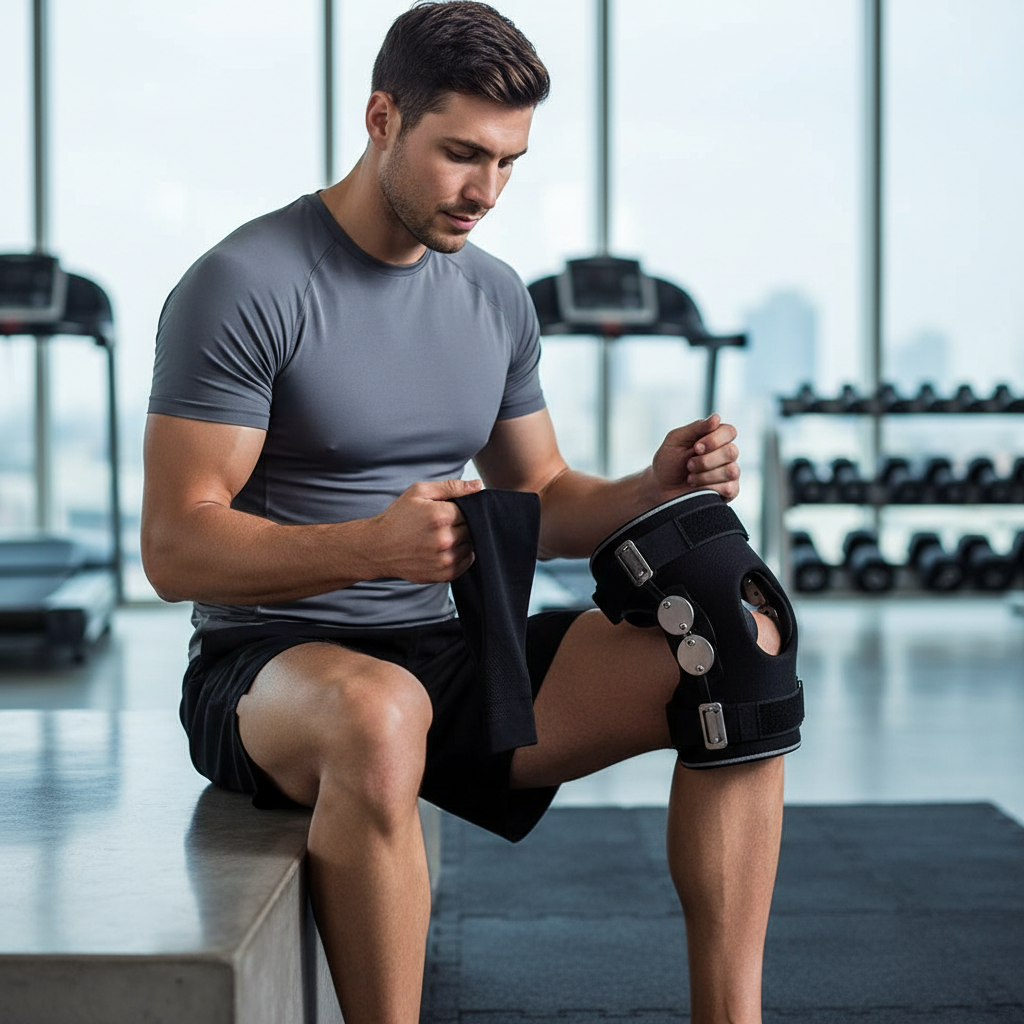
This guide breaks down what “support” really means in sports, how to match it to your movement and symptoms, and how to use it without relying on it. I’ll also flag the moments when it’s smarter to stop guessing and talk with a clinician.
What “knee support” actually does in training
In the gym and on the field, a knee sleeve or brace typically helps in a few practical ways, but it won’t “fix” a tendon or rebuild a torn ligament.
- Compression may reduce the feeling of swelling and improve comfort, especially during warm-ups.
- Proprioception is the body’s position sense, snug fabric can cue you to track your knee better without you thinking about it.
- Mechanical stability matters when a brace has straps, hinges, or rigid supports that limit unwanted motion.
- Warmth often helps stiff knees feel smoother early in a session.
According to the American Academy of Orthopaedic Surgeons (AAOS), bracing may help some people feel more stable and reduce symptoms in certain knee conditions, but it’s not a substitute for a clear diagnosis and a rehab plan when injury exists.
Quick self-check: what kind of support do you need?
If you pick based on sport alone, you’ll miss the real decision driver, which is how your knee behaves under load. Use this quick check and be honest, it saves money and frustration.
Choose lighter support (sleeve/compression) if…
- You feel general ache during warm-up that improves as you move.
- The knee feels “puffy” after sessions, but no true giving-way.
- Your main issue is confidence, not collapse, especially returning after a break.
- You lift mostly in straight lines (squat, leg press) with controlled tempo.
Consider structured support (straps/hinges) if…
- You notice instability, buckling, or shifting with pivots and deceleration.
- You have a prior ligament injury history and sport demands cutting.
- You get sharp pain with certain angles and need motion limited temporarily.
Pause and get checked sooner if…
- There’s swelling after a specific twist, pop, or impact.
- The knee locks, catches, or you cannot fully straighten it.
- Pain escalates week to week despite reducing volume.
Types of Knee Support and who they’re for (with a practical table)
Here’s the part most shoppers want, but the best pick depends on both sport and symptoms. A “more supportive” brace can be worse if it slides, rubs, or makes you move differently.
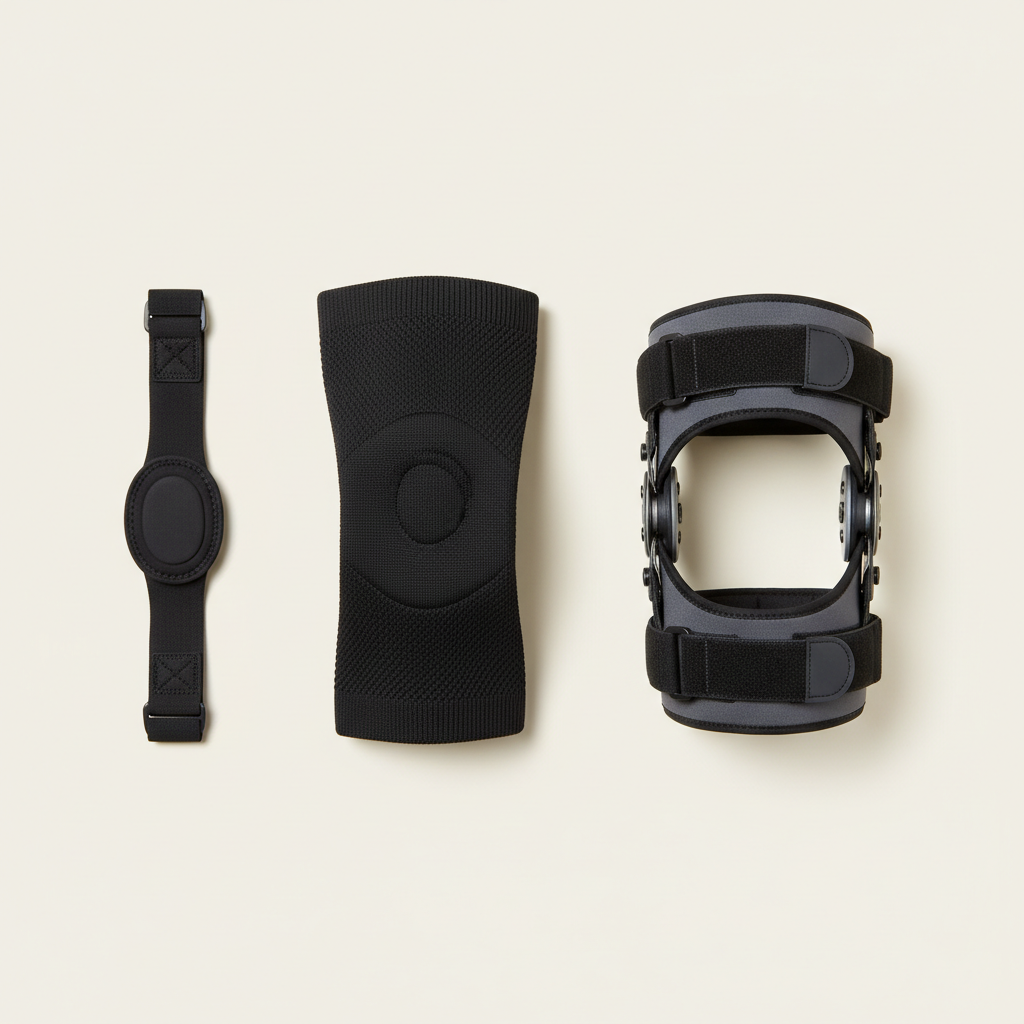
| Type | Best for | What it feels like | Common downsides |
|---|---|---|---|
| Compression sleeve (thin) | Warm-up comfort, mild ache, light runs, general training | Snug, flexible, easy to wear under clothes | Can slide when sweaty, limited stability |
| Neoprene sleeve (thicker) | Heavier gym work, cold gyms, mild swelling | Warmer, “hugged” feeling | Heat build-up, bunching behind knee |
| Patellar strap | Some cases of patellar tendon discomfort during jumping or running | Targeted pressure below kneecap | Wrong placement irritates tissue, not for instability |
| Hinged brace | Higher-demand sports, history of ligament issues, extra lateral support | Noticeably more “guided” motion | Bulkier, may restrict comfort in deep flexion |
| Wraparound/strap brace | Quick on/off for field sports, adjustable compression | Custom tightness, easy mid-game tweaks | Straps can loosen, pressure points |
How to choose the best Knee Support for your sport
Sport is where support level gets real, because movement demands expose weakness fast. Below are common matches that usually make sense, then you fine-tune by fit.
Running and endurance training
- Often: compression sleeve for comfort and swelling sensation.
- If symptoms are tendon-focused: a patellar strap may help some runners, placement matters.
- If you’re changing gait because of pain: it’s time to reduce load and consider a professional assessment.
Basketball, soccer, tennis (cutting and pivoting)
- Often: sleeve for mild symptoms, hinged or strap brace if instability history exists.
- Watch for: slipping, rotation, or braces that migrate downward during sprints.
- Reality check: a brace can’t “out-stabilize” poor strength and fatigue in late game minutes.
Weight training (squats, Olympic lifts, leg press)
- Often: thicker sleeve if warmth and confidence help, especially in higher volume blocks.
- If you need stability in side-to-side motion, that’s usually a technique or hip/ankle control issue, not a sleeve problem.
- If pain spikes at a specific depth: don’t force range, adjust load and depth and get guidance.
Trail sports and uneven terrain
- Often: sleeve for proprioception, structured support if knee wobbles on descents.
- Priority: secure fit that won’t chafe over long durations.
Fit and sizing: where most people get it wrong
A Knee Support that fits poorly is worse than no support, it slides, pinches, or changes your mechanics. Most “this brace didn’t work” stories start here.
- Measure where the brand says, many use mid-kneecap plus a point above or below.
- Check circulation, numbness, tingling, or color change means it’s too tight.
- Do a movement test: bodyweight squat, a few hops, short jog. If it rolls or bunches, switch size or style.
- Mind the back of knee, fabric bunching can irritate the popliteal area fast.
Also, if you’re between sizes, the “tighter is better” instinct often backfires for longer sessions. For many athletes, a secure-but-not-aggressive fit stays put longer.
How to use knee support without becoming dependent
Support works best as a tool you earn the right to remove, not something you wear forever because you’re afraid. A simple progression usually feels more sustainable.
Practical way to phase it in
- Wear it for warm-up and the main sets where form matters most.
- Remove it for accessories or cooldown work if symptoms allow.
- Keep a short note: pain during, pain after, swelling next morning. Patterns matter more than a single workout.
Pair it with “supporting” training
- Quads: slow tempo split squats or leg extensions within tolerable range.
- Hamstrings: RDLs, hamstring curls, controlled eccentrics.
- Hips: lateral band walks, single-leg hinges for control.
- Ankles: calf raises and ankle mobility if your knee collapses inward.
According to the Centers for Disease Control and Prevention (CDC), strength and balance training help support joint function and reduce injury risk for many people, which is a nice reminder that equipment is only one part of the picture.
Common mistakes and safety notes
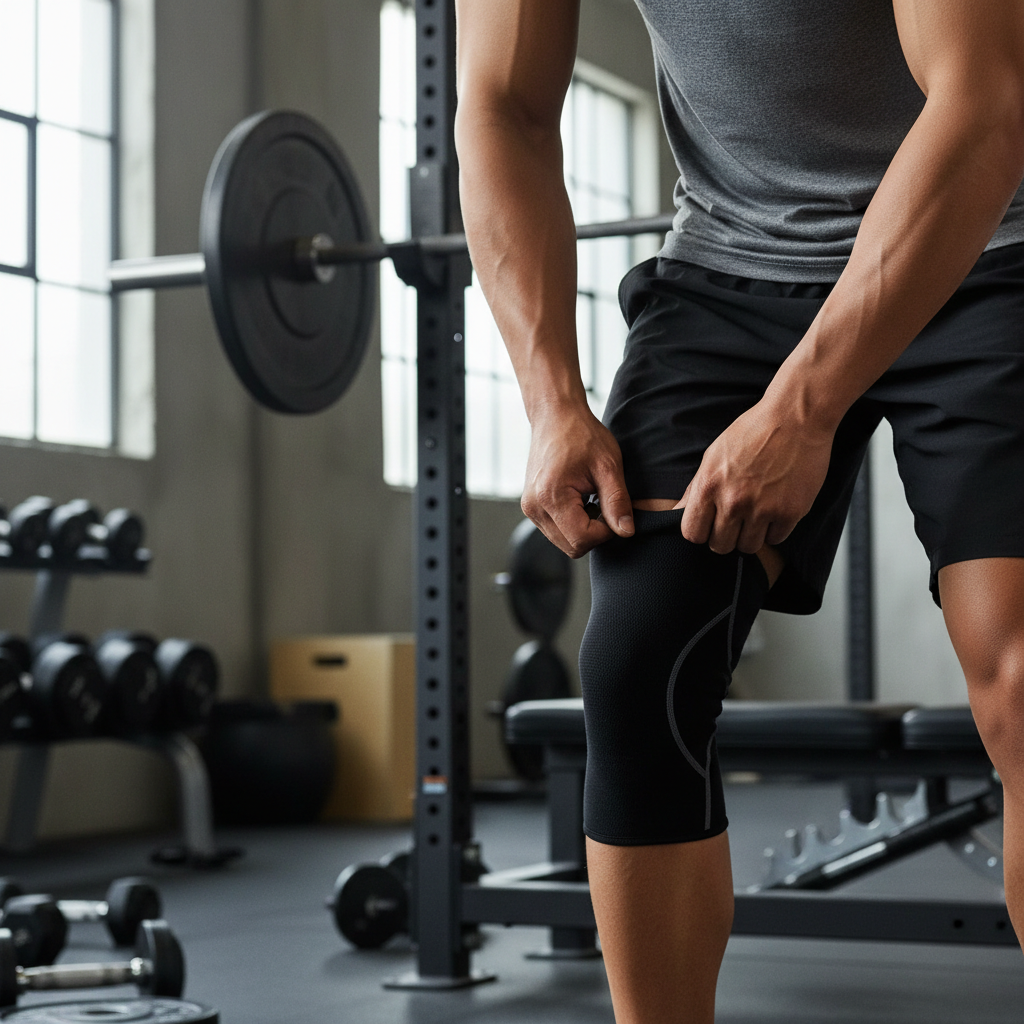
A few missteps show up again and again, and they’re usually avoidable.
- Using support to ignore sharp pain: discomfort that changes your movement often needs load changes, not tighter straps.
- Buying for “maximum stability” without a reason: bulk and restriction can create new issues at the hip or ankle.
- Wearing it too long: many sleeves trap heat and sweat, skin irritation is common in longer practices.
- Not washing it: material stiffness and odor build-up happen fast, follow care instructions to keep elasticity.
- Assuming one size fits all sports: what feels great for lifting may slide during sprints.
If you have circulation issues, diabetes-related nerve symptoms, a history of blood clots, or recent surgery, it’s smart to ask a medical professional before using tight compression or rigid braces.
When it’s worth seeing a professional
Some knee problems respond well to smarter training and the right Knee Support, but a few scenarios deserve a clearer diagnosis.
- Your knee gives way during normal walking or stairs.
- Swelling persists more than a few days after a specific incident.
- You suspect ligament or meniscus injury, especially with locking or catching.
- Pain wakes you at night, or you feel systemic symptoms like fever.
A physical therapist, sports medicine physician, or orthopedic clinician can help confirm what structure is irritated, then recommend bracing only if it matches the problem.
Key takeaways (so you can decide today)
- Match support level to symptoms, sleeves for comfort and feedback, braces for true instability.
- Fit is the feature, slipping or pinching means it’s not the right option.
- Use it strategically for higher-risk sets or game situations, and keep building strength and control.
- Escalate care when swelling, locking, or giving-way shows up.
Conclusion: a simple way to pick the right support
If you want a clean rule, start with the lightest Knee Support that stays put and makes training feel more controlled, then only “upgrade” if instability or sport demands justify it. Give yourself two to three sessions to judge it, comfort during warm-up, movement quality during work sets, and how your knee feels the next morning.
If you’re dealing with recurring pain or you’re returning to sport after time off, choose one action today: measure and test-fit a sleeve, or book a quick evaluation if red flags are present, both beat guesswork.
FAQ
What is the best Knee Support for basketball?
Many players do fine with a compression sleeve for comfort and confidence, but if you have a history of giving-way or a ligament injury, a hinged option may feel more stable. The best test is whether it stays in place through sprints and cuts.
Should I wear a knee sleeve for squats?
If warmth and feedback help you keep cleaner knee tracking, a sleeve can be useful. If you rely on it to push through sharp pain at a specific depth, it’s smarter to adjust load and range and consider professional input.
Do patellar straps help with jumper’s knee?
They can reduce discomfort for some athletes by changing pressure at the tendon, but placement matters and results vary. If pain keeps escalating, you usually need a loading plan, not just a strap.
How tight should a knee brace be?
Snug enough not to slide, loose enough to avoid numbness or tingling. If you see skin discoloration, lose sensation, or feel throbbing pressure, back off and reassess sizing.
Can Knee Support prevent injuries?
It may reduce symptoms and improve confidence in some situations, but prevention is mostly training quality, strength, and fatigue management. Think of support as a supplement, not armor.
Is it okay to wear a knee sleeve all day?
For many people, occasional wear is fine, but all-day use can irritate skin and may not be necessary. If you feel you “can’t” take it off, that’s a good sign to get the knee assessed.
What if my brace keeps sliding down?
That usually means wrong size, wrong material for sweat, or the brace shape doesn’t match your leg. Try a different sizing method, a grippier top band, or a style designed for high-movement sports.
If you’re trying to choose Knee Support for a specific sport, injury history, and training plan, it can be easier to shortlist two options and test them with a simple movement check rather than buying the most aggressive brace on the shelf. If you want a more streamlined path, consider asking a physical therapist or sports medicine clinic to recommend a style based on what your knee actually does under load.