
Healthy Snacks can be the difference between steady energy and that mid-afternoon crash that turns “I’ll hit the gym” into “I’ll start Monday.”
If you train regularly, juggle work, or simply want fewer random cravings, snacks are where a lot of routines quietly break. Not because people lack discipline, but because most grab-and-go options are either sugar-heavy, low in protein, or not filling enough to last.
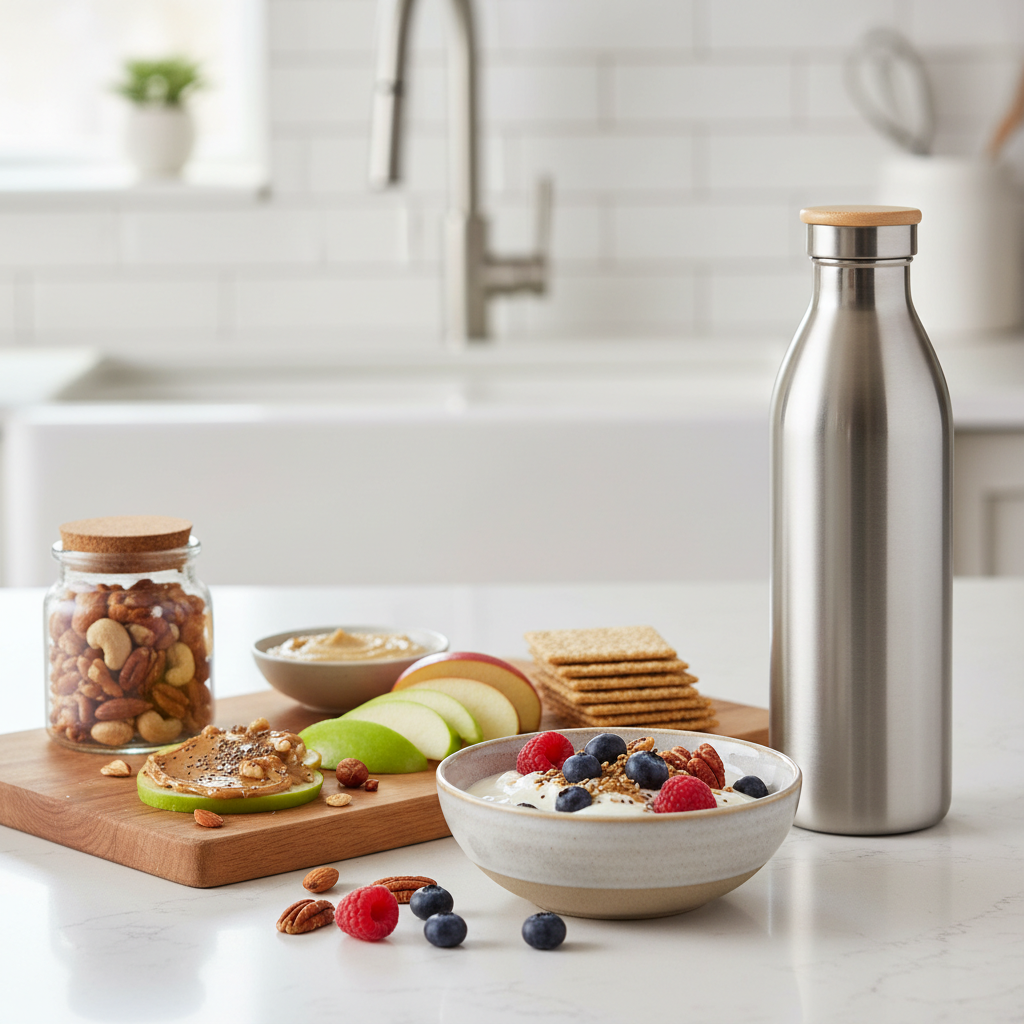
This guide keeps it practical: what to look for, what to avoid, and how to match snacks to your day and your training. You’ll also get a quick table for “best by goal,” plus a simple checklist to help you pick a snack that actually works.
What makes a snack “healthy” for fitness and energy
A fitness-friendly snack usually does two jobs: it helps you feel satisfied and it supports stable blood sugar. In real life, that often means a mix of protein, fiber, and slow-digesting carbs, with fats used strategically.
According to the American Heart Association..., choosing snacks built around minimally processed foods (fruit, nuts, yogurt, whole grains) can help limit added sugars and excess sodium, which is where many “snack foods” go off track.
- Protein helps with satiety and muscle repair support (especially if your next meal is far away).
- Fiber slows digestion and helps prevent the “I’m hungry again in 30 minutes” problem.
- Carbs are not the enemy, but type and timing matter, especially around workouts.
- Fats add staying power, but too much right before training can feel heavy for some people.
Common reasons snacks fail (and how to fix them)
Most snack struggles aren’t about willpower, they’re about mismatch. The snack doesn’t match the moment, so you end up overeating later or grabbing something random.
- Too carb-only: granola bars, pretzels, rice cakes by themselves often spike and drop energy. Fix: add protein or fat (yogurt, cheese, nut butter).
- “Healthy” but not filling: fruit alone is great, but may not hold you long. Fix: pair with a protein (cottage cheese, turkey, edamame).
- Portion creep: nuts and trail mix are nutrient-dense, but easy to overdo. Fix: pre-portion into small containers.
- Timing issues: a heavy snack right before a workout can backfire. Fix: choose quicker carbs + a little protein, keep fat/fiber moderate.
One more thing people underestimate: hydration. Mild dehydration can feel like low energy or cravings, so water (or an electrolyte option for longer sessions) may help, depending on your training.
Quick self-check: which snack do you actually need right now?
Use this as a fast filter before you reach for something. It sounds simple, but it prevents a lot of “why am I still hungry” moments.
- I’m hungry and my next meal is 3+ hours away: prioritize protein + fiber (more staying power).
- I’m training within 30–90 minutes: prioritize easily digested carbs + a bit of protein.
- I already ate but want something crunchy/sweet: you might want volume, flavor, or a planned treat portion.
- I’m tired, not hungry: consider hydration, a short walk, or a small snack with carbs + protein.
- I’m recovering after lifting: protein matters most, carbs can help if you trained hard or have another session.
Healthy snack picks by goal (table)
Here’s the shortlist I see work for many people because it’s realistic, portable, and easy to repeat. Adjust portions based on your body size, training load, and advice from a clinician if you manage a condition like diabetes.
| Goal / Situation | What to prioritize | Snack ideas |
|---|---|---|
| Pre-workout energy (30–90 min) | Carbs + small protein | Banana + Greek yogurt; toast + peanut butter; applesauce pouch + string cheese |
| Post-workout recovery | Protein (20–30g if helpful) + carbs as needed | Protein smoothie; cottage cheese + berries; turkey wrap half on whole wheat |
| All-day steady focus | Protein + fiber | Hummus + veggies; edamame; chia pudding; roasted chickpeas |
| Weight management | Volume + protein | Skyr/Greek yogurt; air-popped popcorn + jerky; tuna packet + cucumber |
| On-the-go travel days | Shelf-stable protein + fiber | Single-serve nuts (portioned); protein bar with lower added sugar; whole-grain crackers + tuna |
Build-your-own snack formula (so you can stop overthinking)
When people say they “run out of ideas,” they usually need a structure, not more recipes. This is the simplest formula that covers most situations.
Option A: The balanced combo (most days)
- 1 protein: Greek yogurt, cottage cheese, eggs, tofu, turkey, tuna packet
- 1 fiber-rich carb: fruit, veggies, oats, whole-grain crackers
- Optional fat: nuts, seeds, avocado, nut butter (small portion)
Option B: Pre-workout lighter snack
- Carb-forward: fruit, toast, rice, pretzels
- Small protein: a few bites of yogurt, milk, or a small protein shake
- Keep it simple: too much fat/fiber right before training can bother your stomach in some cases
Practical prep: a 10-minute plan for the week
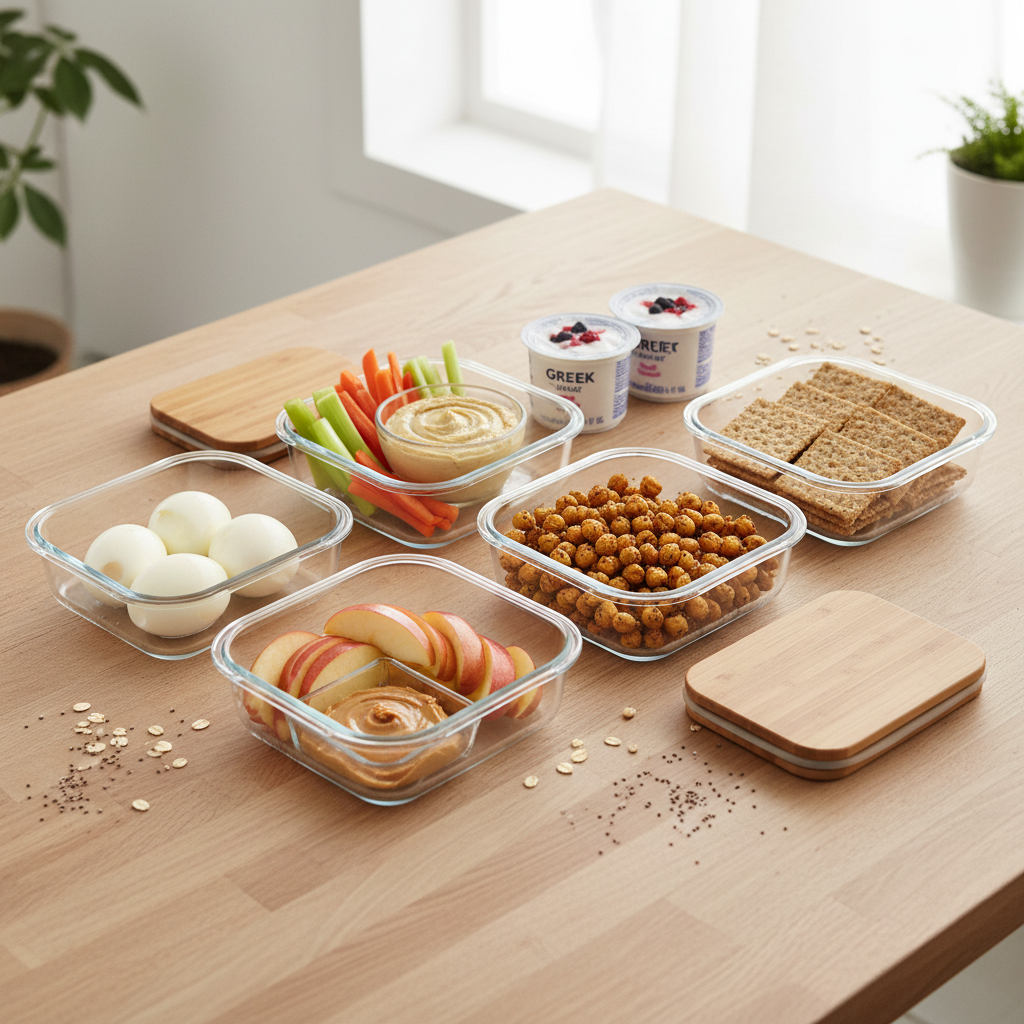
Healthy Snacks are easiest when you remove decision-making. You don’t need a full meal prep Sunday, just a small setup that makes the “good” choice the default.
- Pick 2 proteins for the week: Greek yogurt + eggs, or cottage cheese + turkey, whatever you’ll actually eat.
- Pick 2 produce items: berries + baby carrots, or apples + cucumbers.
- Pick 1 crunchy add-on: roasted chickpeas, whole-grain crackers, or popcorn.
- Portion 4–6 grab bags: nuts/trail mix in small bags, veggies in containers, yogurt cups ready to go.
- Place snacks where you decide: front of fridge, work bag, car console (shelf-stable only).
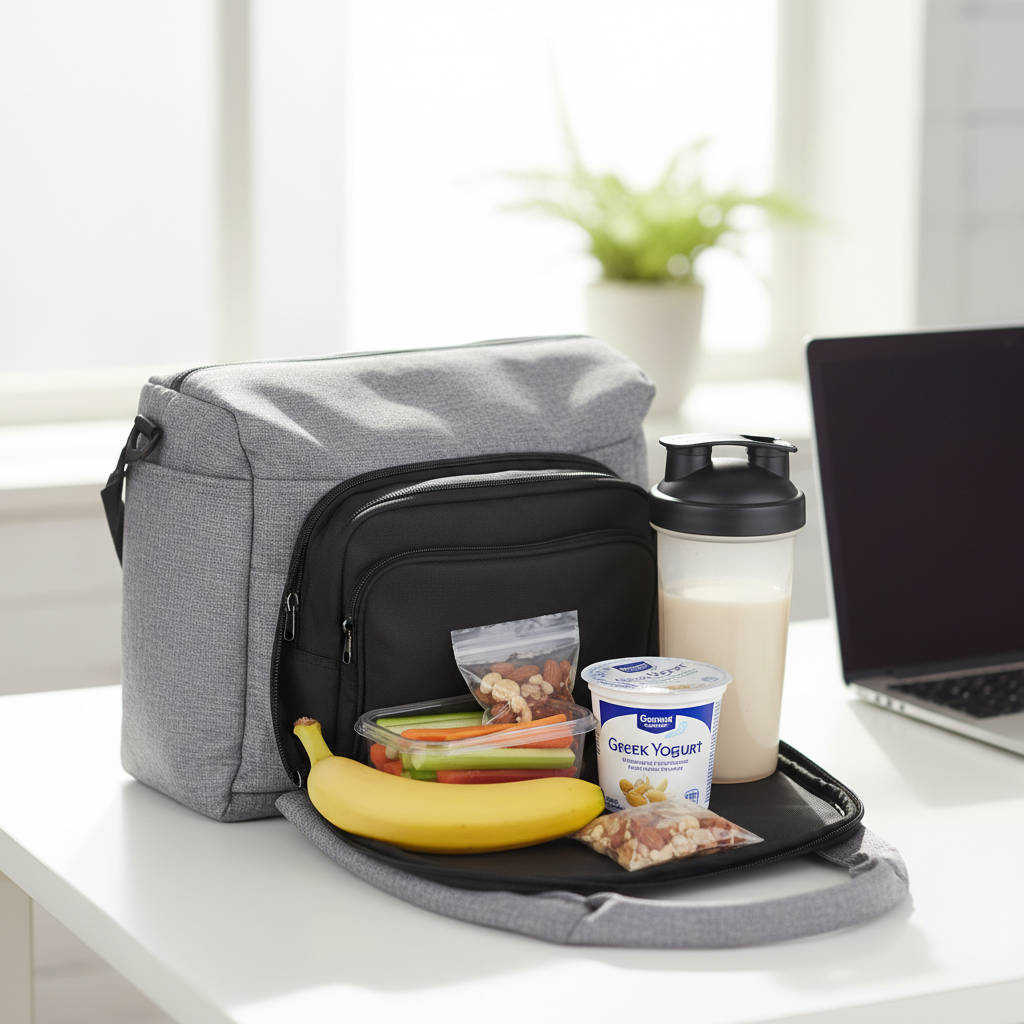
If you’re tracking macros, this is also where it gets easier, because you’ll repeat a few snack patterns and adjust portions without reinventing your day.
Watch-outs and common misconceptions
Some snack advice sounds healthy but falls apart in everyday use. These are the traps I’d watch for.
- “Natural sugar means unlimited”: honey, dates, juice still count as sugar sources, even if they’re less processed. Enjoy them, just portion intentionally.
- Protein bars as a default: convenient, yes, but some are basically candy with protein. Scan for added sugar and whether it actually keeps you full.
- Going very low-carb without a plan: some people feel fine, others feel flat in training. Performance can vary, and it’s worth adjusting based on how you recover.
- Ignoring sodium: athletes may need more sodium, but many packaged snacks overshoot fast. Balance depends on sweat rate and overall diet.
According to the USDA Dietary Guidelines..., limiting added sugars and choosing nutrient-dense foods supports overall health, but your best snack choice still depends on your schedule, training intensity, and medical context.
When it’s smart to get professional input
If snacks keep turning into crashes, binges, or stomach trouble, it might not be a “snack problem.” A registered dietitian or qualified clinician can help you tailor timing and portions, especially if any of these apply.
- You have diabetes, hypoglycemia symptoms, or take glucose-affecting medication
- You’re managing kidney disease, heart conditions, or high blood pressure (protein/sodium targets matter)
- You have GI issues around training (reflux, IBS, frequent nausea)
- You’re trying to gain weight, lose weight, or train for an event and progress feels stuck
It’s not about making things complicated, it’s about avoiding trial-and-error that wastes months.
Key takeaways (keep this part handy)
- Match the snack to the moment: pre-workout and “hold me over” snacks are different.
- Protein + fiber solves most energy and hunger issues for many people.
- Portioning beats willpower, especially for calorie-dense foods like nuts.
- Repeat a few reliable snacks and rotate flavors, not the entire strategy.
Conclusion: make snacks boring in the best way
The most useful Healthy Snacks are the ones you can buy, pack, and eat on a normal Tuesday. Pick two or three options you genuinely like, portion them once, and keep them where you make decisions. If you want a simple starting point, try one protein-based snack per day and one fruit-or-veg pairing, then adjust based on how your energy and workouts feel.
If you notice frequent energy crashes, unusual fatigue, or symptoms that worry you, it’s worth checking in with a healthcare professional, because snacks can support the plan but can’t replace medical guidance.
FAQ
What are the best Healthy Snacks before a workout?
Many people do well with a carb-forward option plus a little protein, like a banana with yogurt or toast with peanut butter. If your stomach is sensitive, keep fat and fiber moderate and test what feels best.
What should I eat after the gym if dinner is hours away?
A protein-focused snack can help bridge the gap, like cottage cheese with fruit or a protein smoothie. Add carbs if your workout was intense or you feel depleted.
Are nuts a good snack for energy, or too high-calorie?
Nuts are nutrient-dense and can support steady energy, but portions matter. A small handful or pre-portioned pack tends to work better than eating straight from a large bag.
How do I choose a healthier protein bar?
Look at added sugar and whether the bar includes fiber and enough protein to satisfy you. If it tastes like candy and you feel hungry soon after, it may not be the best fit as a daily staple.
Can I snack and still lose weight?
Usually, yes, if snacks are planned and fit your overall intake. Protein and high-volume foods (like yogurt, veggies, popcorn) can make it easier to stay satisfied without overdoing calories.
What are good Healthy Snacks for work meetings or travel?
Shelf-stable picks like portioned nuts, tuna packets with whole-grain crackers, or lower-sugar protein bars can prevent impulse buys. Pairing protein with fiber helps many people avoid energy dips.
Why do I feel sleepy after my afternoon snack?
A carb-heavy snack without protein can cause a quick rise and fall in blood sugar for some people. Try adding protein or choosing a slower-digesting carb, and consider hydration and overall sleep, too.
If you’re trying to tighten up your routine without obsessing over food, a small “snack system” often gives the fastest payoff: a short list of repeatable options, pre-portioned, that fits your training days and your real schedule.