
how to keep legs clean cycling in mud starts with one honest point, you can’t “avoid” mud, you can only control where it goes and how easily it comes off.
If you ride in wet conditions, dirty legs are more than an aesthetic issue, grit can rub skin raw, damp fabric can chafe, and cleanup can turn a fun ride into a chore you keep postponing. Keeping your legs cleaner usually means you ride more often, and you recover with fewer annoyances.
The good news is you don’t need a full cyclocross pit crew, you need a few setup choices that reduce spray, plus a simple routine that works even when you’re tired and it’s getting dark outside.
Why legs get so dirty in mud (and what actually causes the spray)
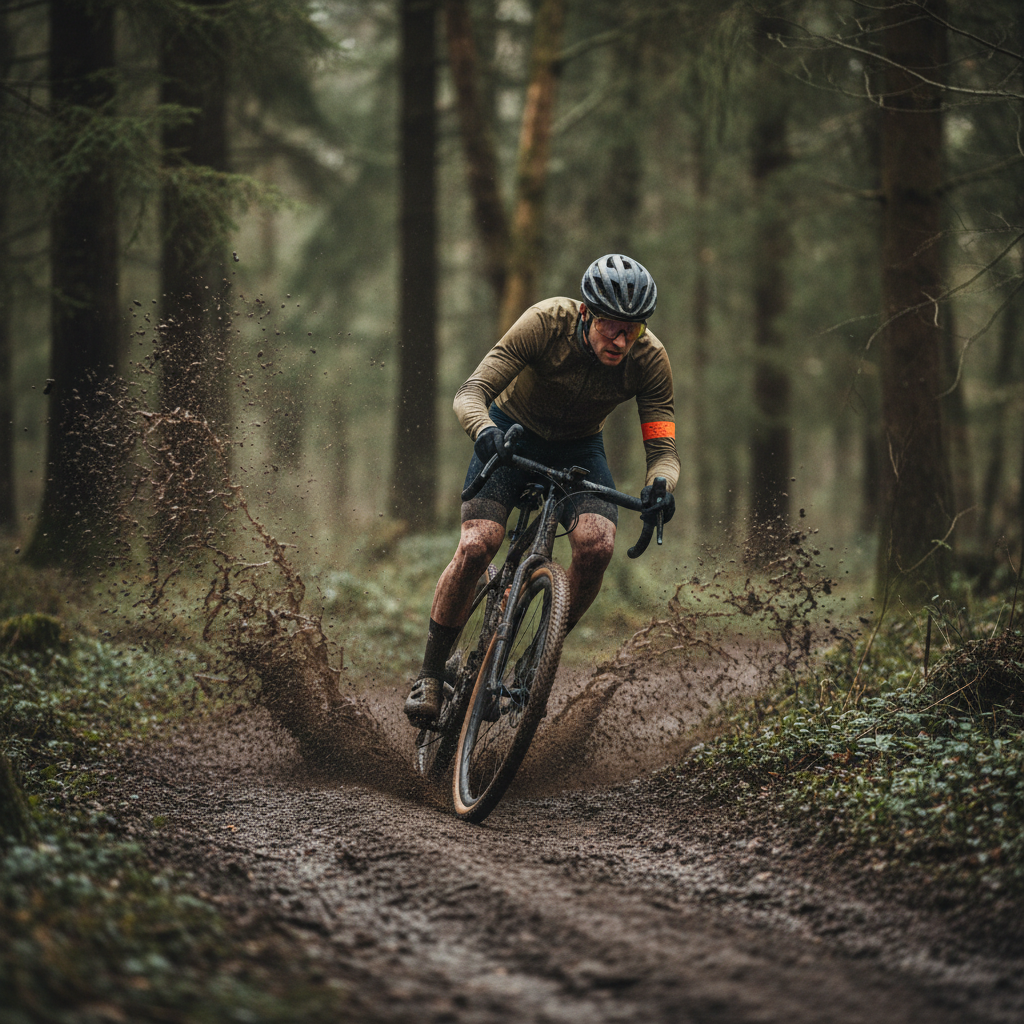
Most riders blame “the mud,” but the mess usually comes from tire spray, a rotating tire picks up water and grit, then flings it forward and upward in a predictable arc.
- Front tire sends spray onto shins, calves, and sometimes knees, especially at higher speeds.
- Rear tire throws mud onto calves and the back of thighs, and it also coats the drivetrain, which can later splatter again.
- Low fender coverage means the spray exits early, so it reaches your body sooner.
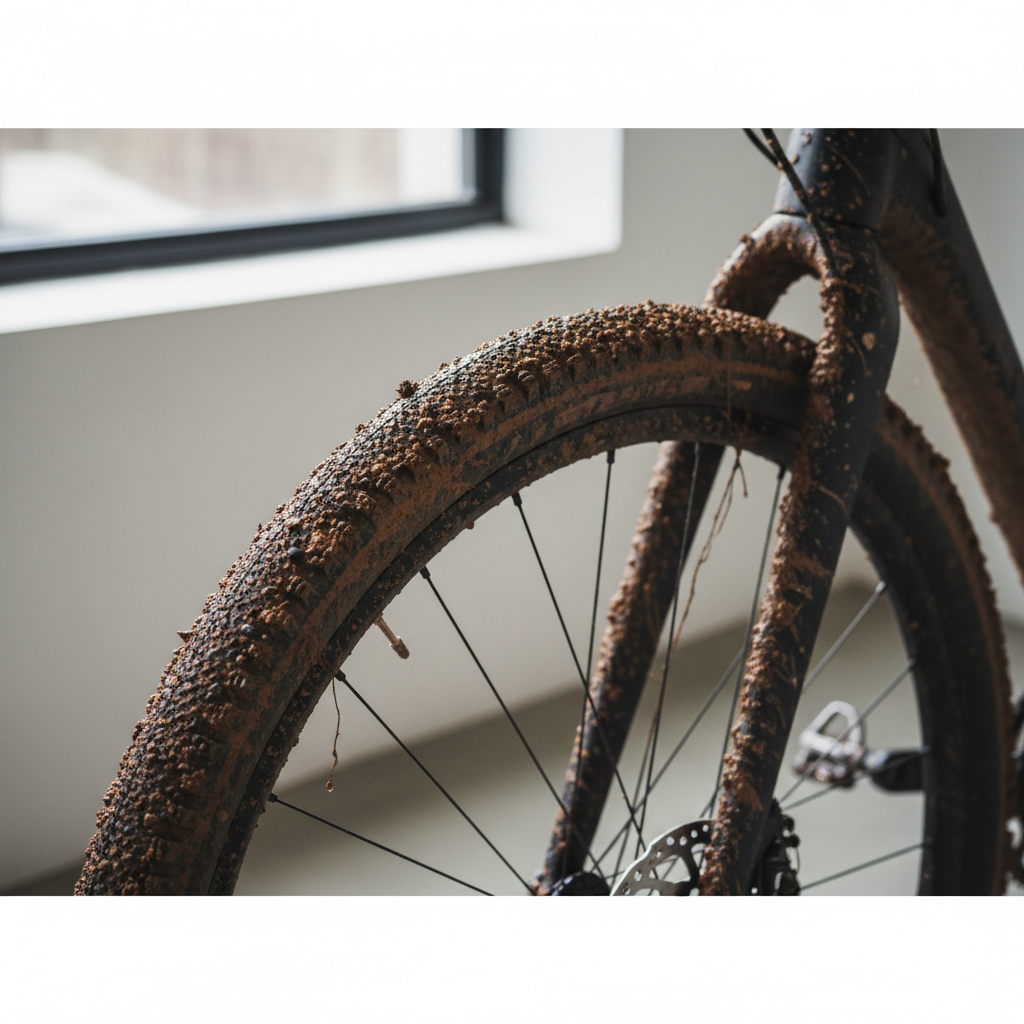
- Tire tread and pressure change how much mud sticks, chunky tread can carry more “payload,” too-low pressure can increase pickup in some soils.
Once you see it as spray control, not cleanliness perfection, the fixes feel more straightforward.
Quick self-check: what kind of muddy mess are you dealing with?
Before buying gear, take 30 seconds after a ride and notice the pattern, it tells you what to change.
- Mostly shins and knees: front spray needs better coverage or a longer mud flap.
- Mostly calves and back of thighs: rear spray, saddle area, and drivetrain splash are the main culprits.
- Gritty abrasion or “sandpaper” feeling: fine grit plus wet fabric, you need better barrier layers and faster rinse.
- Sticky clay that won’t rinse: you’re in clay soil, don’t over-focus on fenders, prioritize release and easy cleaning.
- Only dirty on fast descents: speed is launching more spray, technique and line choice matter more than you think.
If your bike already has decent coverage but your legs still look painted brown, it’s often a clothing and post-ride routine issue, not a hardware issue.
Gear that keeps legs cleaner: what matters (and what’s optional)
If your goal is cleaner legs, prioritize coverage and “mud management” over fancy materials.
Fenders and mud flaps (biggest impact for most riders)
- Full-coverage fenders reduce direct spray dramatically on paved wet roads and many gravel routes.
- Mud flaps on the front fender help because they lower the point where spray exits, which is exactly what protects shins.
- Clip-on solutions can work when frame clearance is tight, but look for models that extend low enough to matter.
Reality check, deep mud can pack between tire and fender, if your routes are truly sloppy, you may need to choose “some spray” over “wheel lock.”
Socks, leg coverage, and fabric choice
- Longer socks give a cheap barrier layer, even if they get dirty, they can protect skin from grit.
- Knee/leg warmers can help in cool weather, but pick smoother fabrics that shed water rather than fuzzy fleece that holds grit.
- Tights vs. shorts: in heavy mud, tights often clean easier than hairy legs plus shorts, less grit reaches skin.
Chamois cream and anti-chafe considerations
This is less about cleanliness and more about comfort when you can’t stay clean. According to American Academy of Dermatology guidance on friction-related skin irritation, reducing rubbing and keeping skin clean and dry can help prevent chafing and irritation; if you get recurrent rashes, a clinician may be worth asking.
Bike setup tweaks that reduce mud spray without buying much
Small setup changes can lower how much mud hits you, especially if you can’t run full fenders.
- Tire pressure: aim for a pressure that keeps the tire from deforming excessively, too low can increase the “scoop” effect in some mud, but too high can make the bike skatey, which also leads to more splashy line choices.
- Tire tread choice: in sticky mud, widely spaced knobs often shed better than tight tread that holds clay, though results vary by soil type.
- Frame clearance: if clearance is tight, accept that fenders might clog and consider minimalist guards plus stronger cleanup routine.
- Seat height and posture: if you’re sitting deep and upright, your calves sit right in the rear spray zone, a slightly more forward, stable posture can reduce direct hits.
For riders asking how to keep legs clean cycling in mud with limited clearance, the practical answer is usually “reduce spray where you can, then make cleanup fast.”
Technique and route choices that keep your legs cleaner (surprisingly effective)
This part gets ignored because it sounds like “ride better,” but it’s real, especially on mixed-surface rides.
- Avoid the deepest rut when there’s a firmer line nearby, even a few inches to the side can mean less wheel sink and less mud pickup.
- Brake earlier, roll smoother through puddles, sudden braking throws more water forward and can increase shin splash.
- Watch wheel overlap in groups, draft spray is real, if you’re behind a rider with no rear coverage, your legs take the hit.
- Slow the “spray moments”: fast descents through standing water coat you instantly, sometimes backing off slightly saves a ton of cleanup later.
None of this keeps you spotless, but it often keeps mud as a thin layer instead of a thick paste.
The post-ride routine: fastest way to get clean without wrecking your skin
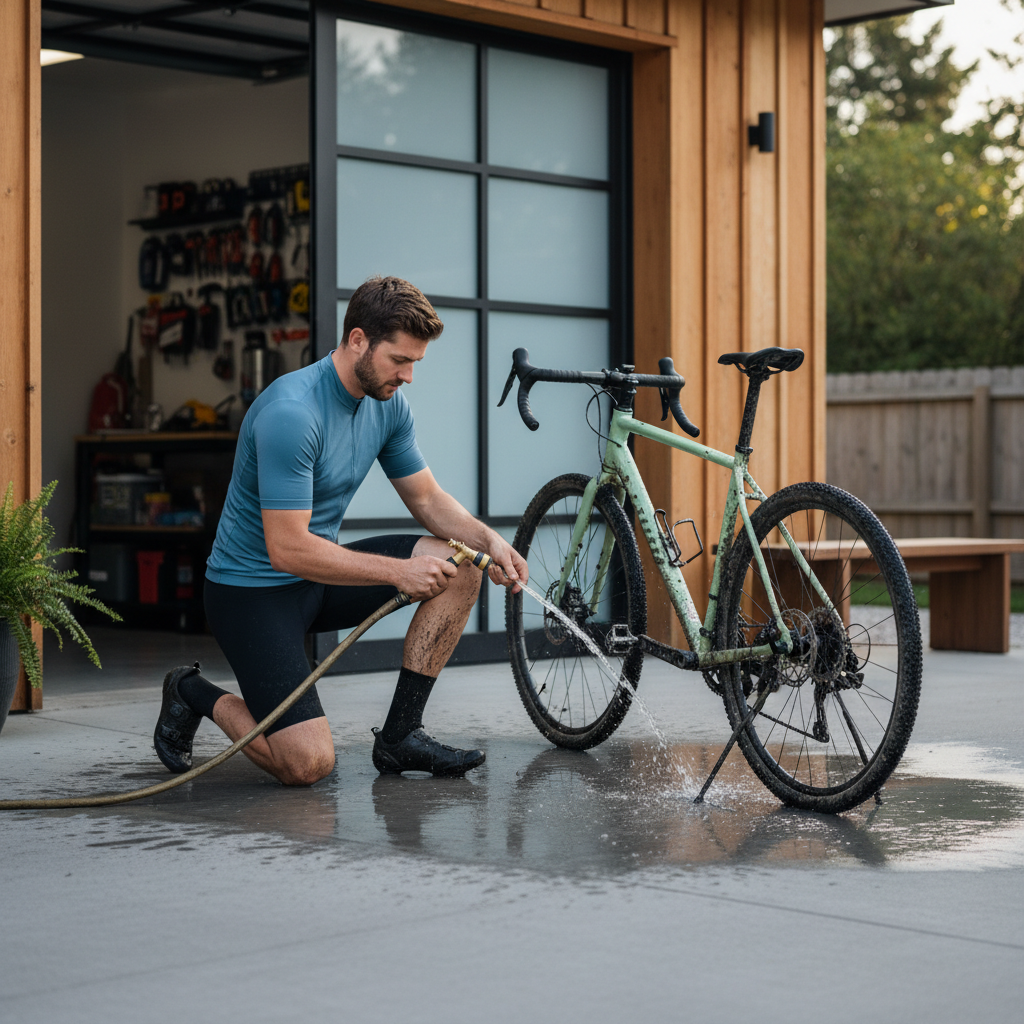
how to keep legs clean cycling in mud often comes down to what you do in the first 10 minutes after you stop, dried mud turns into a longer job and can irritate skin more.
A simple 10-minute sequence
- Rinse legs quickly with lukewarm water if possible, hot water can make some irritation feel worse.
- Wash with mild soap, focus on ankles, calves, behind knees where grit hides.
- Pat dry, don’t scrub aggressively if you feel burning or abrasion.
- Moisturize or use barrier ointment if skin feels raw, especially if you ride again soon.
Quick bike rinse that also prevents “second splatter”
According to Park Tool guidance on bike cleaning, using low-pressure water and avoiding forcing water into bearings helps protect components. A gentle rinse plus a light drivetrain wipe keeps the next ride from flinging yesterday’s grit back onto your legs.
What to use when you want cleaner legs: a practical comparison table
If you want a quick decision, this table covers what typically helps most, and what it costs you in fuss.
| Option | Leg-cleanliness impact | Best for | Tradeoffs |
|---|---|---|---|
| Full-coverage fenders + mud flap | High | Wet roads, light-to-moderate gravel mud | Can clog in deep mud, installation time |
| Minimal clip-on guards | Medium | Mixed rides, limited frame clearance | Less protection for shins and calves |
| Long socks or tights | Medium | Reducing skin grit and abrasion | Still get dirty, needs washing |
| Tread suited to mud-shedding | Low to Medium | Sticky clay and sloppy singletrack | May feel slower on hardpack |
| Fast rinse + gentle wash routine | High (for comfort and time) | Every muddy ride | Requires access to water soon after |
Common mistakes that keep you muddy (and frustrated)
- Going too short on fenders: if coverage ends high, your legs still take the main spray arc.
- Power-washing everything: blasting mud feels satisfying, but high pressure can push grit into parts and can irritate skin if you use it on your body.
- Waiting until mud dries: dried grit bonds to hair and fabric, cleanup time doubles.
- Wearing “grippy” fabrics: some brushed materials hold mud, smooth fabrics usually release easier.
- Ignoring saddle and shorts hygiene: mud on outer fabric can migrate, if you’re prone to saddle sores, be conservative and prioritize cleanliness.
When it’s worth getting help (fit, skin issues, or recurring pain)
If you’re constantly getting rashes, open sores, or painful bumps after muddy rides, it might not be just dirt, it can be friction, bacteria, or a fit problem that keeps pressure in the wrong place. A bike fitter can help if posture puts your legs directly in spray and keeps you seated awkwardly, and a dermatologist or primary care clinician can help if skin irritation keeps returning or looks infected. If you have fever, spreading redness, or severe pain, seeking medical care promptly is the safer move.
Key takeaways you can use on your next muddy ride
- Control spray first: coverage and mud flaps usually beat “better soap.”
- Dress for release: smooth, easy-clean layers protect skin from gritty abrasion.
- Ride the cleaner line: small route choices reduce mud pickup more than most people expect.
- Clean fast: a quick rinse and gentle wash beats a long scrub later.
If you want to keep your legs noticeably cleaner on muddy rides, pick one upgrade that reduces spray and pair it with a no-excuses post-ride rinse, that combo tends to work even when conditions are truly gross.
FAQ
How to keep legs clean cycling in mud without fenders?
You won’t stay fully clean, but you can reduce skin irritation by wearing longer socks or tights, choosing smoother fabrics, slowing through standing water, and rinsing quickly after the ride. Minimal clip-on guards can still help if you can fit them.
Do mudguards work for gravel, or do they just clog?
They often work well in light-to-moderate mud and wet roads, but sticky clay and deep ruts can pack clearance fast. If your local mud is the clogging type, shorter guards plus a disciplined cleanup routine can be the more reliable setup.
What tire pressure helps reduce mud spray?
It depends on rider weight, tire volume, and terrain, but avoiding extremely low pressure can reduce the tire “scoop” effect in some conditions. If you’re unsure, ask your local shop for a starting range for your tire size and riding surface.
Is it safe to rinse my bike after every muddy ride?
Usually yes, if you use low-pressure water and don’t aim directly at bearings or seals. According to Park Tool, gentle rinsing and proper drying are preferred over forcing water into components.
Why do my calves get dirtier than my shins?
That points to rear tire spray and drivetrain splatter. A longer rear fender, a seatpost-mounted guard, and keeping the drivetrain less gritty can make a noticeable difference.
What’s the fastest way to clean mud off legs when I’m not at home?
Wet wipes plus a small water bottle can get most grit off before it dries, then do a proper wash later. If your skin stings, wipe gently and avoid aggressive rubbing.
Can muddy rides cause skin infections?
They can increase risk if you have chafed skin or small cuts, since dirt and moisture stick around. If you see worsening redness, warmth, swelling, drainage, or you feel ill, it’s smart to consult a clinician.
Does shaving legs help with cleaning after mud?
Many riders find mud rinses off faster with less hair, but it’s personal preference and can irritate sensitive skin. If shaving causes razor bumps, smoother tights might be a better approach.
If you’re riding in mud often and you want a more “set-and-forget” setup, a local bike shop can help match fenders, tire clearance, and tire tread to your exact bike and routes, which usually saves money versus buying parts twice.