
How to use an exercise bike for weight loss comes down to three things you can actually control: consistency, the right intensity (not just “more time”), and a plan you can repeat even on busy weeks.
If you’ve been pedaling regularly and the scale barely moves, you’re not alone, a lot of people default to steady rides that feel productive but never get challenging enough to change fitness or calorie burn. The good news is you usually don’t need longer workouts, you need smarter ones and a realistic weekly structure.
This guide breaks down what to adjust on the bike, how to pick the right workout style for your body and schedule, and how to avoid the common traps that stall progress. It’s practical on purpose, you should be able to read it once, then ride with a clearer target.
What actually drives weight loss on an exercise bike
An exercise bike can support fat loss because it lets you train often with relatively low joint impact, but weight loss still depends on a sustained calorie deficit over time. Cardio helps create that deficit, and it can also improve fitness so daily movement feels easier.
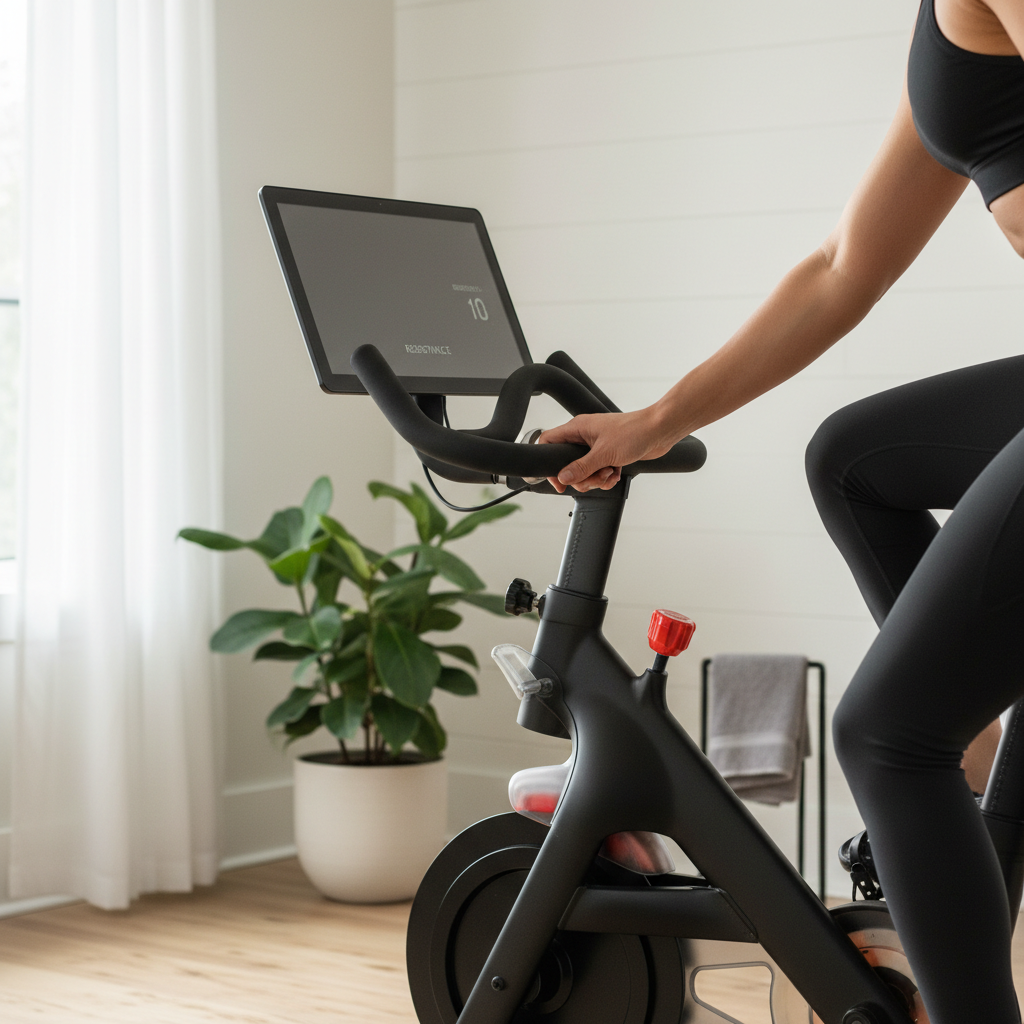
According to the Centers for Disease Control and Prevention (CDC), regular physical activity supports weight management and overall health. On the bike, your leverage points are simple: how often you ride, how hard you ride, and how long you can recover well enough to do it again.
One more reality check that helps: bikes are efficient. That’s great for your knees, but it also means you may need either a bit more time or a bit more intensity than you expected to make a dent, especially if the rest of your day is mostly sitting.
Set up your bike correctly (small fixes, big difference)
If your setup is off, you’ll compensate with hips, knees, or low back, and that often turns “I’ll ride 4 times this week” into “I’ll ride when my knee stops being weird.” Take two minutes and dial it in.
Quick fit checklist
- Seat height: At the bottom of the pedal stroke, your knee stays slightly bent, not locked out.
- Seat fore-aft: With pedals level, your front knee roughly stacks over the ball of your foot.
- Handlebars: High enough that you’re not shrugging or rounding hard through your back.
- Foot position: Midfoot over the pedal axle, straps snug but not crushing.
Comfort matters for weight loss because it protects consistency. If you feel numbness, sharp knee pain, or hip pinching, back off and adjust, and consider asking a trainer or clinician if it keeps showing up.
Choose the right intensity: Zone 2, intervals, and “easy but honest” rides
Most people either ride too easy every time, or they go hard randomly and burn out. For results, aim for a mix: steady aerobic work plus a smaller amount of higher-intensity intervals.
Because heart-rate zones can get technical fast, here are two simple tools that work in real life:
- Talk test: Zone 2 feels like you can speak in short sentences but you wouldn’t want to give a presentation.
- RPE scale (1–10 effort): Easy 3–4, steady 5–6, hard intervals 8–9.
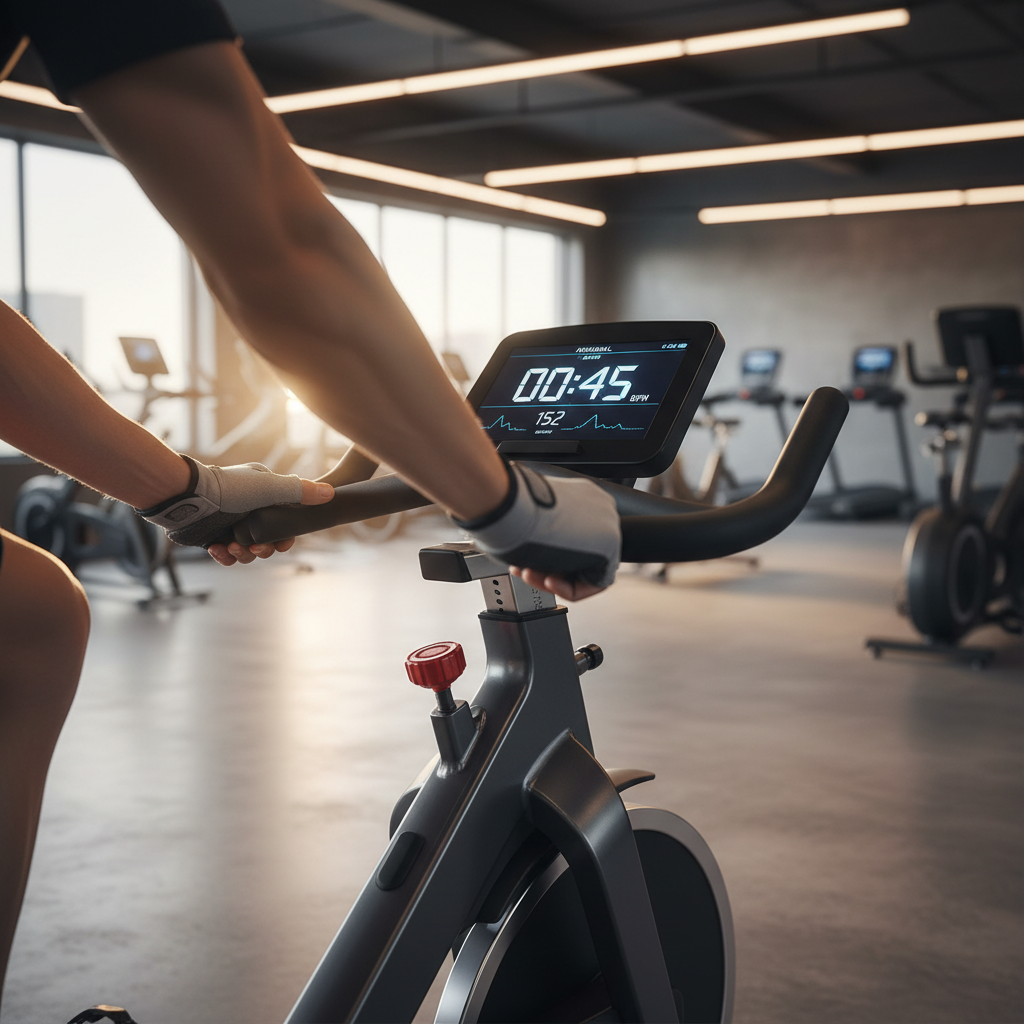
According to the American Heart Association (AHA), adults generally benefit from a mix of moderate and vigorous activity across the week. On a bike, that usually translates well into 2–4 steady rides plus 1–2 interval sessions, depending on recovery and schedule.
Self-check: why your rides might not be leading to fat loss
Before you add more workouts, check what’s quietly canceling your effort. This is where many people get unstuck.
- You never progress the challenge: Same resistance, same time, same pace for months.
- Intensity drift: “Easy ride” turns into coasting, or “hard ride” turns into a slog at medium effort.
- Workout math: You ride 3 days, then feel so hungry or tired that you snack more or move less the rest of the day.
- All-or-nothing schedule: You only count a ride if it’s 45–60 minutes, so busy weeks become zero weeks.
- Recovery gaps: Poor sleep and high stress can raise cravings and reduce training quality, even if you “do the workouts.”
If two or more feel familiar, don’t blame your willpower. Adjust the plan so the plan fits you, that’s usually the fix.
Workouts that work: 3 bike sessions you can rotate
If you want a straightforward way to apply how to use an exercise bike for weight loss, rotate these three sessions and track just one metric each time (time, watts, distance, or average cadence). Keep it simple so you can repeat it.
Workout A: Steady “fat loss base” ride (Zone 2)
- Time: 30–60 minutes
- Effort: RPE 5–6, talk test passes
- Goal: Build aerobic capacity so you can handle more weekly volume
Workout B: Short intervals (beginner-friendly)
- Total time: 25–35 minutes
- Main set: 8–10 rounds of 30 seconds hard (RPE 8–9) + 90 seconds easy
- Goal: Higher calorie burn per minute, improved conditioning
Workout C: Tempo blocks (the “honest” middle)
- Total time: 35–50 minutes
- Main set: 3 x 8 minutes steady-hard (RPE 7) with 4 minutes easy between
- Goal: Train sustained effort without redlining
Key point: warm up 5–10 minutes and cool down 5 minutes for any session, your knees and heart will usually thank you.
A realistic weekly plan (and a simple progression table)
You don’t need perfection, you need a week you can repeat. Here are two options, choose one and commit for 4 weeks before you judge results.
Option 1: 3 days/week (busy schedule)
- Day 1: Workout A (30–45 min)
- Day 2: Workout B (25–35 min)
- Day 3: Workout A (30–60 min)
Option 2: 5 days/week (faster momentum, still sane)
- 2–3x Workout A
- 1x Workout B
- 1x Workout C
Progression should feel almost boring. Add a little, then let your body catch up.
| Week | What to increase | How much | What not to change |
|---|---|---|---|
| 1 | Baseline | Pick times you can repeat | Don’t chase max effort |
| 2 | Time on steady rides | +5 to 10 minutes total for the week | Keep interval count the same |
| 3 | Resistance or pace | Slightly harder on tempo blocks | Keep easy rides easy |
| 4 | Consistency | Hit all planned sessions | Don’t add an extra HIIT day |
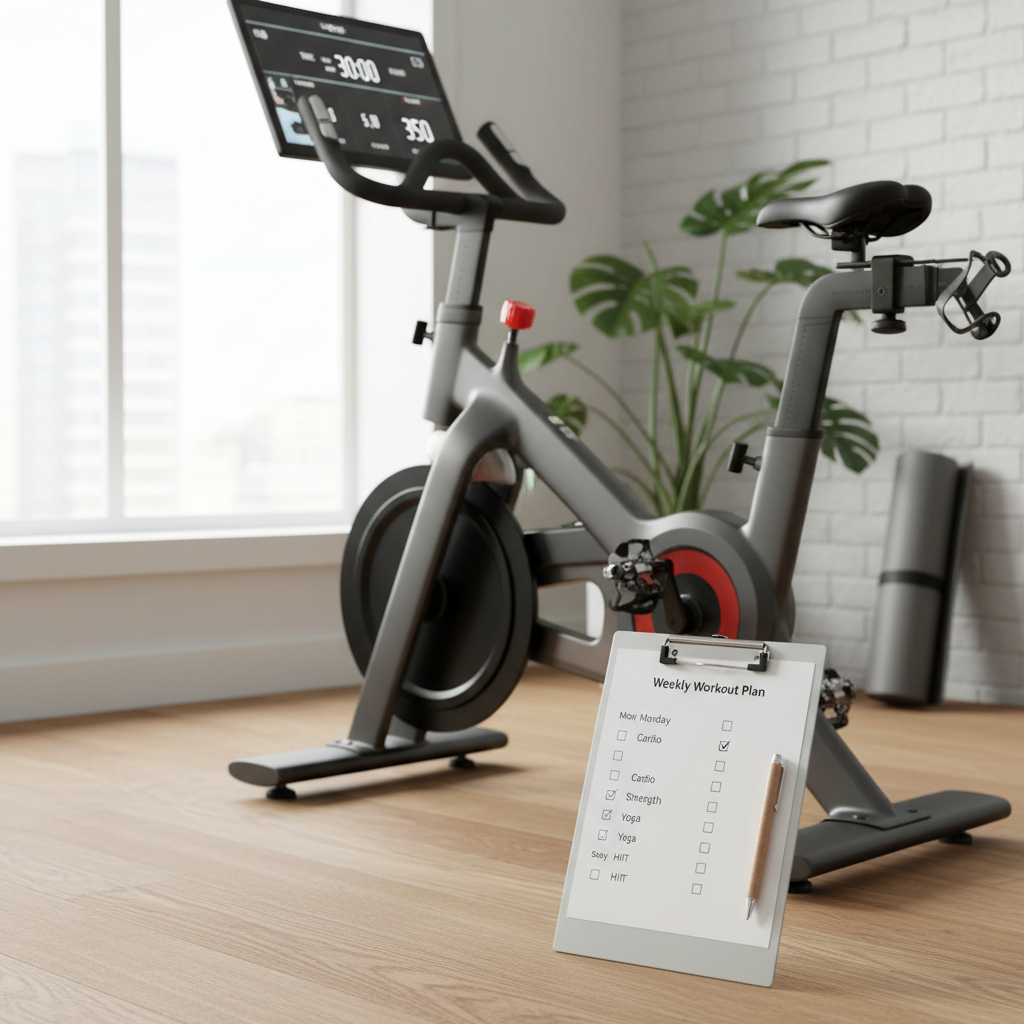
If recovery feels rough, keep Week 4 as a lighter “consolidation” week instead, many people lose momentum by pushing harder exactly when their body needs a breather.
Make it work in the real world: nutrition, steps, and strength training
People often ask for the “best” bike workout, but the bigger lever is what happens off the bike. If your goal is weight loss, keep these three anchors in view.
- Protein and meals that satisfy: not a specific diet, just enough protein and fiber so you aren’t ravenous after rides.
- Daily movement: a bike session doesn’t automatically fix an otherwise sedentary day, a short walk helps.
- Strength training: 2 days a week can support muscle retention during a calorie deficit, even simple dumbbell or bodyweight work.
According to the U.S. Department of Health and Human Services (Physical Activity Guidelines for Americans), adults benefit from both aerobic activity and muscle-strengthening activity. If you can only add one thing, add a basic strength routine and keep it modest.
Common mistakes and safety notes (so you don’t waste a month)
These are the patterns that tend to show up when someone “does everything right” but progress stays slow.
- Doing HIIT every ride: it can spike fatigue, cravings, and soreness, and you end up skipping sessions.
- Ignoring saddle discomfort: padded shorts, a different saddle, or a small fit tweak often helps more than toughing it out.
- Holding your breath on hard efforts: exhale on the push, relaxed shoulders, otherwise perceived effort skyrockets.
- Using only the scale: water shifts can hide fat loss, track waist, photos, or how your rides feel too.
If you have chest pain, dizziness, unusual shortness of breath, or joint pain that worsens, stop and consider medical guidance. If you manage a chronic condition or take medications that affect heart rate, it’s smart to ask a clinician how to set safe intensity targets.
Conclusion: a simple way to start this week
If you want a clean starting point for how to use an exercise bike for weight loss, commit to three rides a week for four weeks: two steady Zone 2 sessions and one short interval session, keep the setup comfortable, track one metric, and nudge either time or resistance up a little each week.
Key takeaways: ride consistently, make at least one session genuinely challenging, keep easy rides truly easy, and support it all with meals that keep hunger manageable. If you do that, progress tends to show up even when life stays busy.
Pick your first ride time, set it on your calendar, then decide which workout you’ll do on each day, the plan works better when it’s boringly specific.