
A core workout routine should make you feel steadier in everyday movement, not just tired after a bunch of crunches.
If your lower back flares up, planks feel impossible, or you “do core” but never feel stronger, it usually comes down to two things: the exercise mix is off, or the routine lacks progression.
This guide gives you a complete, repeatable plan, plus simple self-checks to pick the right level. You’ll also get form cues that keep the work in your midsection instead of your neck, hip flexors, or low back.
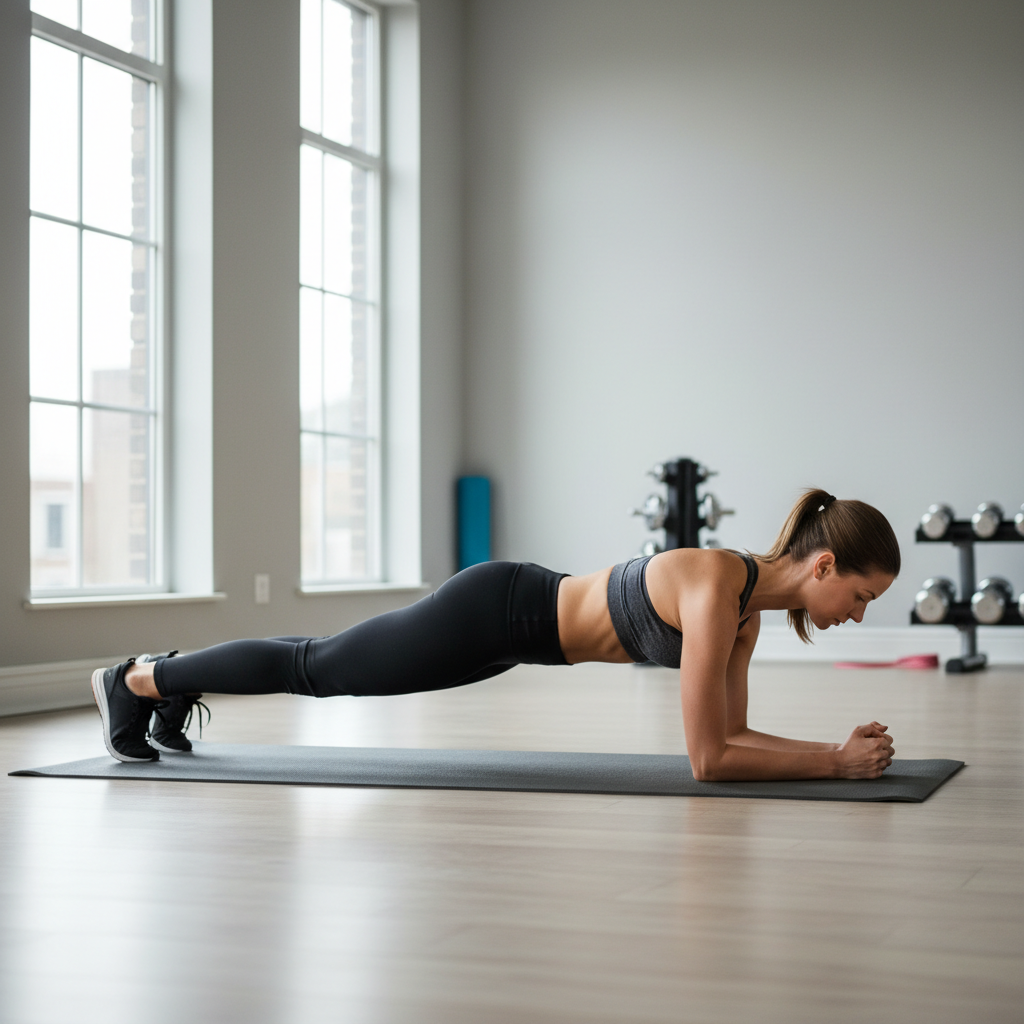
What “Core” Training Really Means (and Why Crunches Aren’t Enough)
Your core is more than your abs. It’s a group of muscles that help you resist movement (anti-extension, anti-rotation, anti-lateral flexion) and transfer force between upper and lower body.
In real life and sports, your spine often stays relatively stable while your hips and shoulders move around it. That’s why a balanced routine leans heavily on stability patterns, with some controlled flexion added when it fits your body.
According to American Council on Exercise (ACE), effective core training supports posture, movement efficiency, and injury risk reduction, especially when exercises are performed with good technique and appropriate progression.
- Anti-extension: resisting arching your low back (planks, dead bugs)
- Anti-rotation: resisting twisting (Pallof press, carries)
- Anti-lateral flexion: resisting side-bending (side planks, suitcase carries)
- Controlled flexion/rotation: used selectively (curl-ups, slow rotations)
Quick Self-Check: Pick the Right Starting Level
Most people don’t need “harder,” they need “more appropriate.” Use this fast check to choose your entry point and avoid turning your core workout routine into a low-back workout.
- Plank hold: Can you hold 20–30 seconds with quiet breathing and no low-back sag? If not, start with shorter sets and easier variations.
- Dead bug control: Can you keep your ribs down and low back gently in contact with the floor while moving slowly? If your back pops up, regress.
- Side plank: Can you hold 15–20 seconds without shoulder pain or hips dropping? If shaky, use a knee-down version.
- Post-workout feel: You should feel midsection fatigue, not neck strain or pinchy hip flexors.
If you have current back pain, hernia, or you’re postpartum, it may be smarter to get individualized guidance before pushing intensity. This isn’t about being cautious for no reason, it’s about not rehearsing compensations.
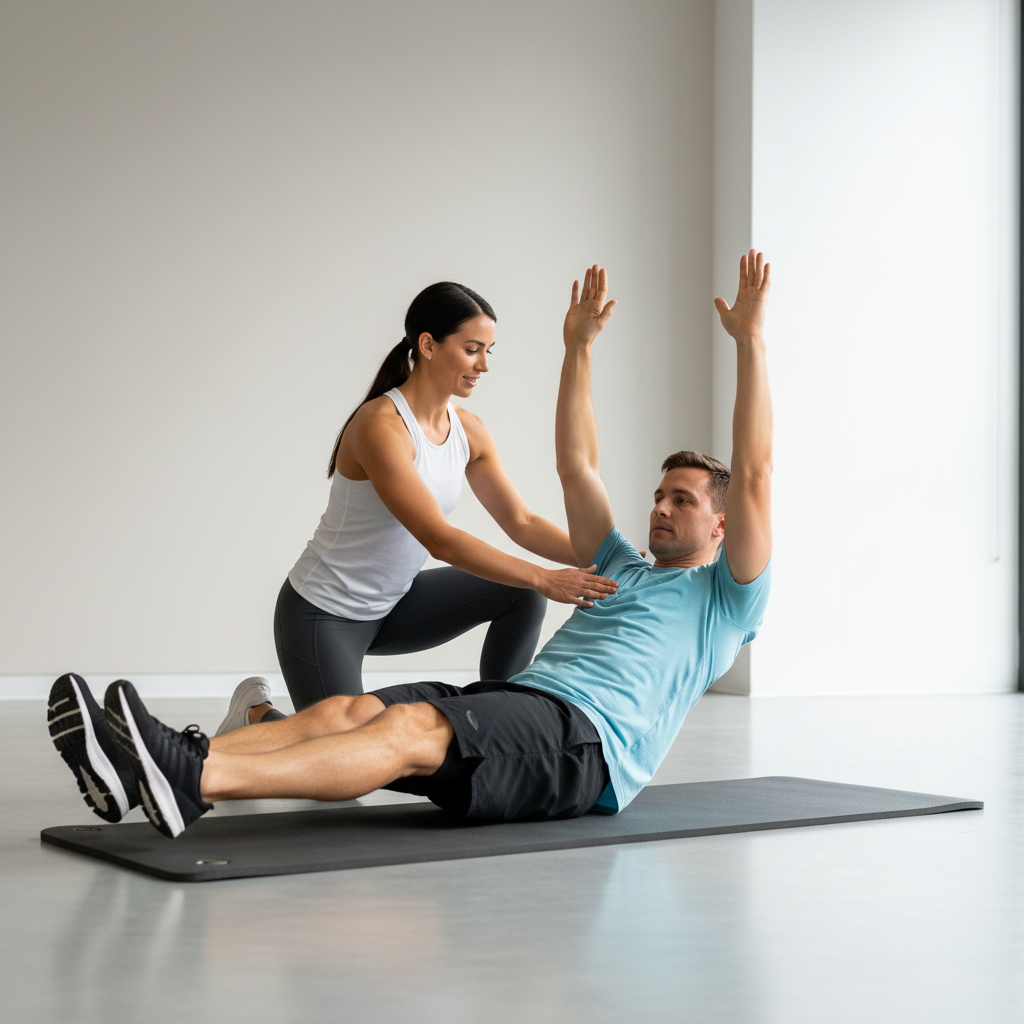
The Complete Core Workout Routine (2–3 Days/Week)
This plan hits stability from multiple angles, builds endurance first, then adds load. Run it 2 days/week if you lift heavy or play sports, or 3 days/week if core is a priority and recovery stays good.
Warm-up (3–5 minutes)
- 90/90 breathing or crocodile breathing: 4–6 slow breaths
- Cat-camel: 6–8 reps (easy range)
- Glute bridge: 8–10 reps with a 2-second squeeze
Main Circuit (A): Stability Base
Do 2–4 rounds, resting 45–75 seconds between moves as needed.
- Dead bug: 6–10 reps per side (slow)
- Side plank (knee-down or full): 15–30 seconds per side
- Pallof press (band or cable): 8–12 reps per side
- Front plank (forearms or hands): 15–40 seconds
Main Circuit (B): Strength + Carry
Do 2–3 rounds.
- Half-kneeling cable chop (or band): 8–12 reps per side
- Reverse crunch (slow, controlled): 6–12 reps
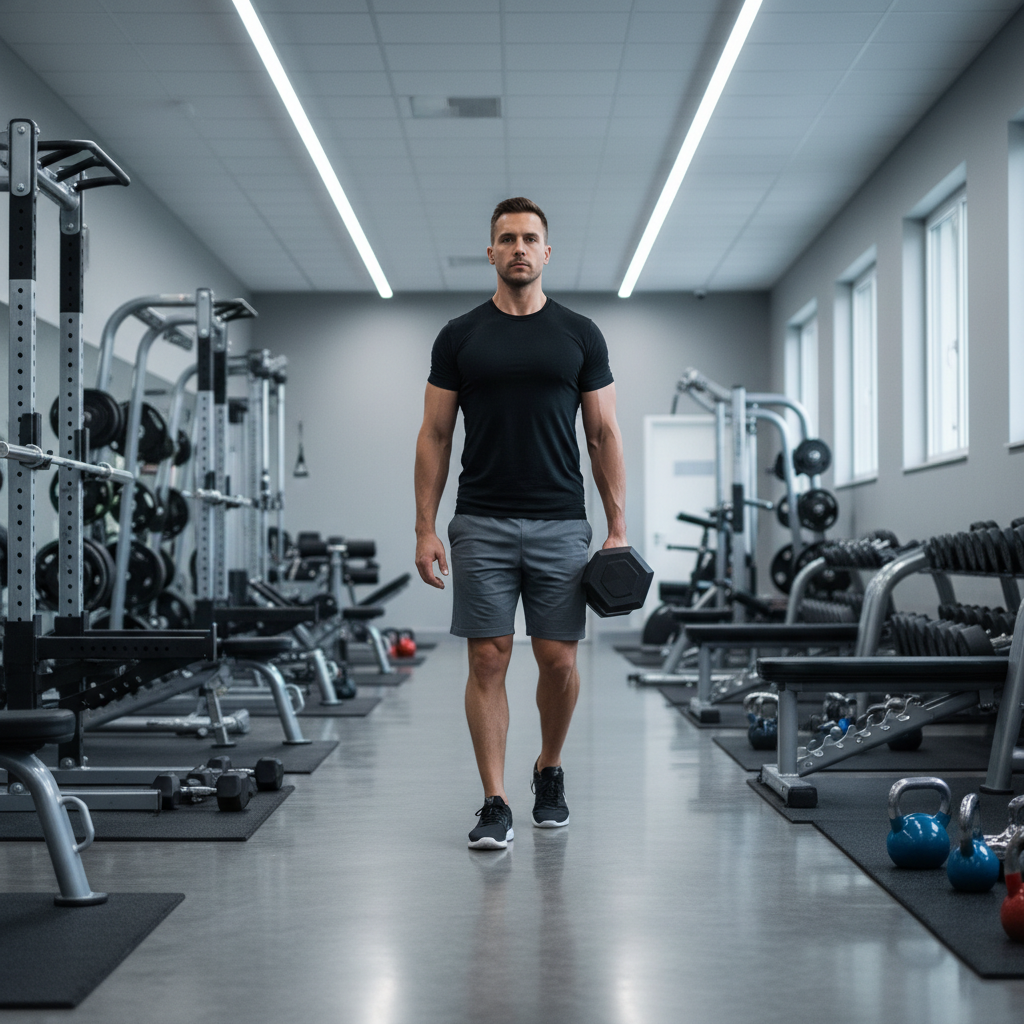
- Suitcase carry (one-side farmer carry): 20–40 yards per side
Cool-down (2 minutes)
- Child’s pose breathing or easy supine breathing: 4 slow breaths
- Hip flexor stretch (gentle): 20–30 seconds per side if it helps
Form Cues That Keep Your Low Back Happy
If your back feels “worked,” the core might be losing the job. These cues usually fix that fast.
- Ribs down: think “zip up” your ribcage so your chest doesn’t flare.
- Exhale with effort: a long exhale can help you find abdominal tension without bracing like a statue.
- Move slower than you want: speed hides wobbles, slow reps expose them in a useful way.
- Hips level: in side planks and carries, keep your belt line from tipping.
- Stop 1–2 reps early: clean reps beat grindy reps for core work most of the time.
According to National Strength and Conditioning Association (NSCA), core training benefits from progressive overload and proper technique, with exercise selection matched to the athlete’s needs and training status.
Progression: How to Make This Routine Work for Months
A core workout routine should evolve, but it doesn’t need constant novelty. Use one progression lever at a time.
- Time: add 5–10 seconds to planks and side planks until you hit your target range.
- Range of motion: longer lever dead bugs, deeper reverse crunch control.
- Load: heavier suitcase carries, more band tension on Pallof presses.
- Complexity: from half-kneeling chops to standing chops, or from supported to unsupported positions.
Practical rule: if you can complete the top end of the rep/time range with steady breathing and stable posture for two sessions, it’s probably time to progress.
Sample Weekly Schedules (Choose One)
These are templates, not laws. If your lifting days are already demanding, keep core short and consistent.
| Goal | Frequency | What to do | Session length |
|---|---|---|---|
| General fitness + posture | 2x/week | Circuit A (3–4 rounds) | 15–20 min |
| Strength training support | 2x/week | A (2–3 rounds) + 1 carry | 10–15 min |
| Visible ab emphasis | 3x/week | A (2–3 rounds) + B (2 rounds) | 20–30 min |
| Back-friendly re-entry | 2–3x/week | Short A with regressions | 8–15 min |
Common Mistakes That Stall Progress
- Doing “abs” every day: many people just accumulate fatigue and compensate harder, especially in hip flexors.
- Chasing burn over control: shaking is fine, but losing position defeats the purpose.
- Only flexion work: endless sit-ups can irritate some backs and miss anti-rotation strength.
- Ignoring carries: loaded carries look simple, but they train the exact “stay stable while moving” skill most people need.
- Going too hard too soon: core soreness can mask poor mechanics, keep reps crisp and build gradually.
When to Get Professional Help
Core training should feel challenging, but sharp pain, tingling, numbness, or pain that radiates down the leg is a different category. In those cases, pausing and checking in with a qualified clinician (like a physical therapist) often makes sense.
If you’re postpartum, dealing with diastasis recti concerns, or returning after a back injury, a coach or PT can help you pick variations and breathing strategies that match your current capacity. You can still train, just smarter.
Key Takeaways + A Simple Next Step
Build your core workout routine around stability patterns, progress slowly, and treat clean form like the main goal instead of an optional detail.
- Do: planks, dead bugs, side planks, Pallof presses, carries
- Use: 2–3 sessions per week, 10–30 minutes
- Progress: time, range, load, then complexity
If you want a straightforward start, run Circuit A twice per week for three weeks, keep a note of hold times and loads, then upgrade one variable at a time.
FAQ
How long should a core workout routine take?
Most people do well with 10–20 minutes, 2–3 times per week. Longer sessions can work, but quality usually matters more than volume.
Can I do core training on rest days?
Often yes, especially if you keep intensity moderate and focus on control. If your main lifts feel worse afterward, move core to the end of lifting sessions instead.
Why do I feel core exercises in my hip flexors?
This happens a lot with leg raises and high-rep crunching. Try dead bugs, reverse crunches with a smaller range, and focus on ribs-down breathing to reduce takeover.
What’s better for abs: planks or crunches?
Neither is universally “better.” Planks train anti-extension endurance, crunch-style moves train controlled spinal flexion. Many routines benefit from both, as long as your back tolerates flexion well.
How do I know when to progress exercises?
If you can hit the top of the rep or hold-time range with stable posture and calm breathing for two sessions, progress one variable like time or load.
Is a core workout routine safe with lower back pain?
It depends on the cause and irritability. Many people tolerate gentle stability work, but if pain spikes, radiates, or persists, it’s safer to consult a qualified professional.
Do I need equipment?
No. You can do a solid plan with bodyweight variations. A band, cable, or one dumbbell just makes anti-rotation work and carries easier to scale.
If you’re trying to make your training feel more “put together,” or you want a core plan that fits your lifting days without guessing, it may help to follow a simple progression template and adjust exercise variations to your current level.