
women fitness gear matters most when it fits your body, matches your training style, and holds up after real use, not just one cute mirror photo. If leggings slide, sports bras pinch, or shoes feel “fine” until mile two, you already know why this topic gets frustrating fast.
The good news is you can usually spot what will work before you buy, as long as you focus on a few practical details: support level, fabric behavior when you sweat, seam placement, and how adjustable the item really is. This guide breaks down women-focused design choices, quick self-checks, and shopping shortcuts that save time and returns.
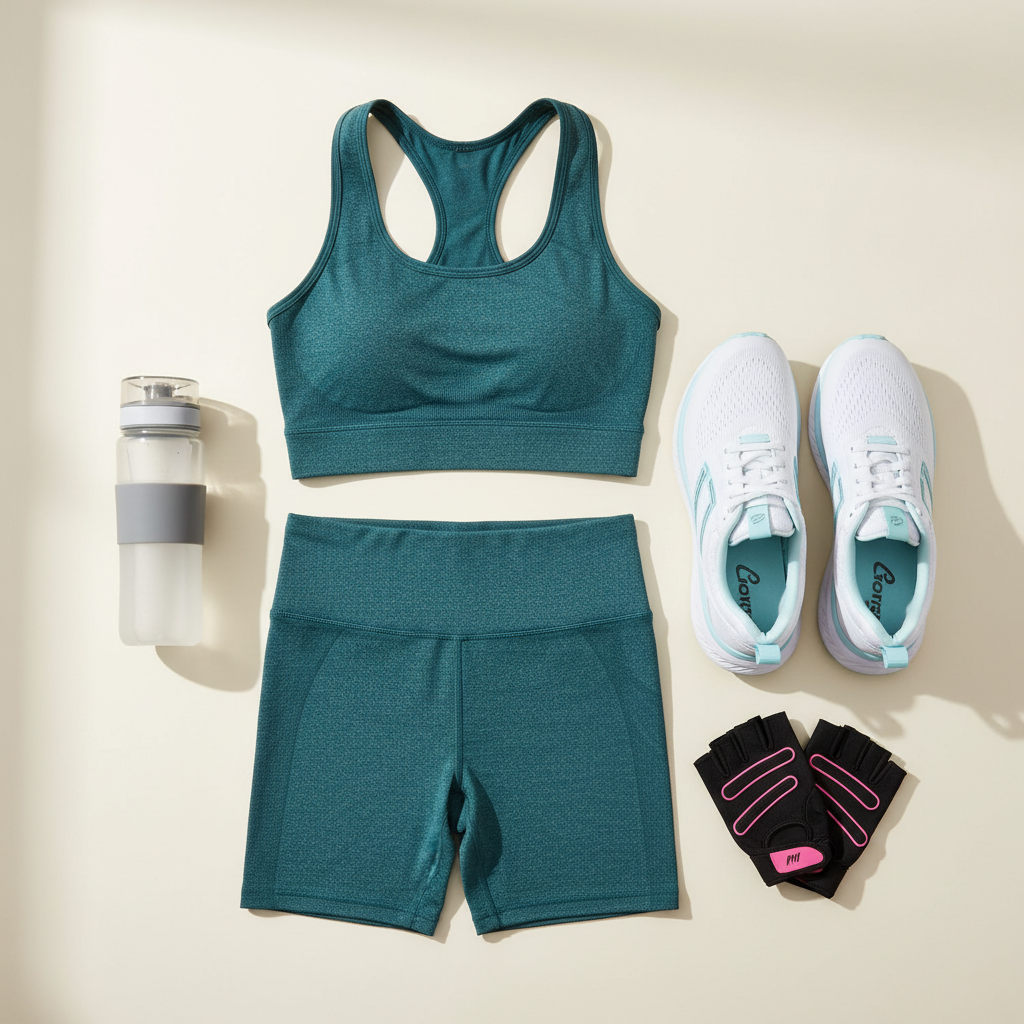
One quick note: “designed for women” can mean real ergonomic upgrades, or it can be marketing. The difference shows up in construction and adjustability, not in the color palette. I’ll point out what actually changes performance, and what tends to be optional.
What “Designed for Women” Usually Changes (and Why You Feel It)
When brands design gear around women’s bodies, the best versions solve predictable pressure points and motion patterns. You feel it during squats, runs, jumps, and long sessions when small annoyances become dealbreakers.
- Sports bra engineering: cup structure, strap placement, and band stability often need more nuance than “small/medium/large.” Higher-impact support depends on band tension and encapsulation, not just compression.
- Legging patterning: rise height, hip-to-waist ratio, and seam angles can reduce gapping and rolling. A good waistband stays put without cutting in.
- Shorts and underwear-friendly seams: flatlock seams and thoughtful gussets reduce chafing, especially in heat or high mileage.
- Hand/foot sizing: women’s gloves and shoes often differ in width, heel shape, and overall volume, which can reduce hotspots and slipping.
According to the American Council on Exercise (ACE), proper footwear and supportive apparel can influence comfort and training consistency, which is a practical way of saying: if your gear distracts you, you’re less likely to stick with the plan.
Common Problems Women Run Into (Real-World Causes)
If you keep “owning a lot but liking little,” it’s usually one of these issues. The fix depends on your workout, so diagnosing the cause first saves money.
- Leggings sliding down: waistband too soft, rise too low for your torso, or fabric that loses recovery when warm and sweaty.
- Sheerness mid-squat: fabric weight too light, overstretched size, or dye/knit that turns translucent under tension.
- Sports bra bounce or neck pain: band too loose (most common), straps doing all the work, or the wrong support type for your impact level.
- Chafing: inner-thigh seams, rough thread, or a short inseam that rides upward while you move.
- “My shoes feel dead”: using soft lifestyle sneakers for training, or using rigid lifting shoes for running and plyometrics.
Many brands still grade sizes up and down from a single fit model. If your proportions sit outside that “average,” you may need to prioritize adjustability and specific product lines built for curvier, taller, or petite fits.
Quick Self-Check: Pick Gear Based on Your Training
Before you shop, do a 60-second reality check. Your best women fitness gear choice depends more on what you do weekly than what you do once a month.
Ask yourself these questions
- Do you do high-impact sessions (running, HIIT, jump rope) more than 2x/week?
- Do you lift heavy enough that you care about bracing and stable footing?
- Do you train in heat, or sweat a lot, and need fast-drying fabrics?
- Do you need pockets for phone/keys, or do pockets bounce and annoy you?
- Where do you typically feel irritation: waistband, inner thigh, underarm, shoulders?
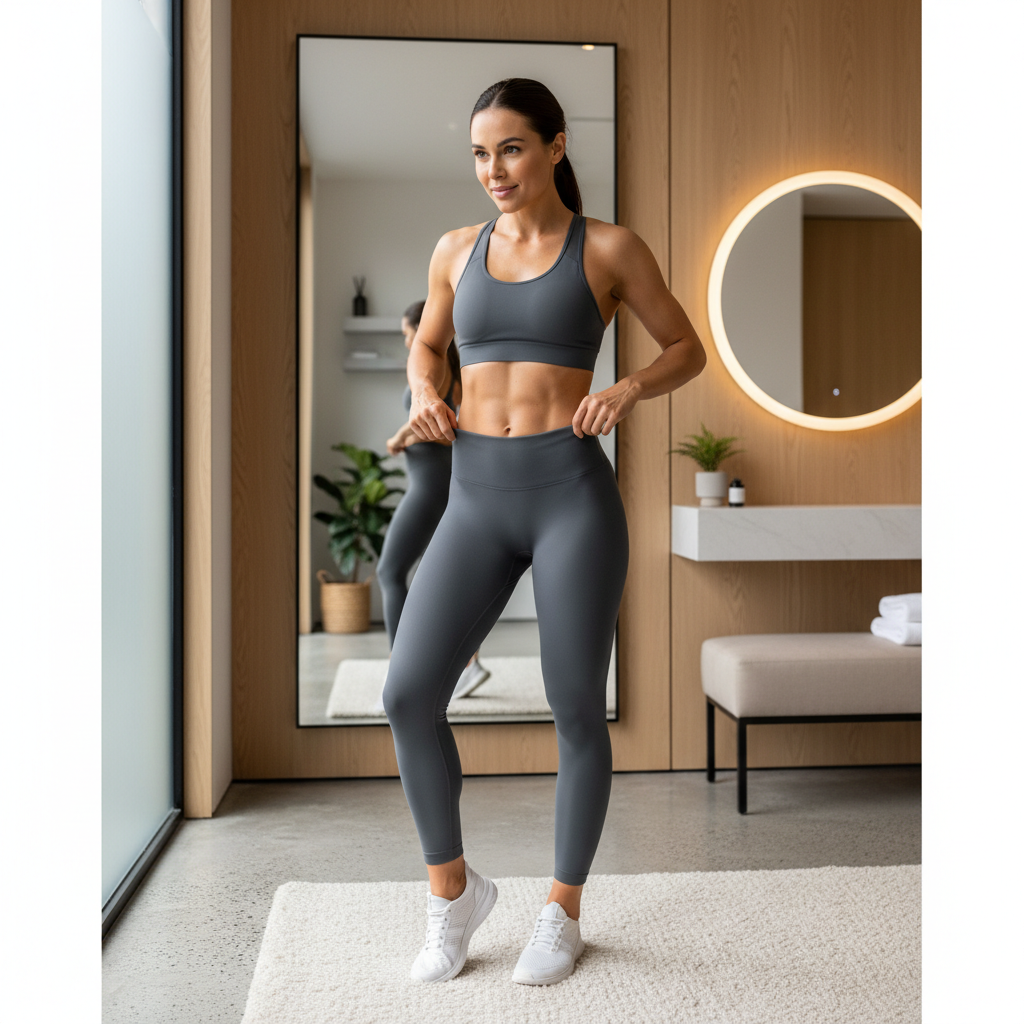
If you answer “yes” to high-impact, prioritize bra support and anti-chafe construction before you worry about aesthetics. If you answer “yes” to heavy lifting, prioritize stable shoes and squat-proof tights that don’t shift under load.
Buying Guide by Category (What to Look for, What to Skip)
This is the part most shoppers want: specific features that tend to pay off, and the ones that look impressive but don’t change much in practice.
Sports bras
- Check the band first: it should feel snug on the loosest hook, without riding up when you lift arms.
- Encapsulation vs. compression: encapsulation (separate structure per breast) often works better for higher impact and fuller busts.
- Adjustability matters: adjustable straps and multi-hook bands extend the usable life as the fabric relaxes over time.
Leggings and shorts
- Fabric recovery: look for material that snaps back after you stretch it; “buttery soft” can be great, but some blends relax when warm.
- Gusset and seams: a diamond/triangle gusset and flat seams reduce friction during runs and long walks.
- Inseam strategy: if thighs rub, longer bike shorts (6–8 inches) often beat short shorts for comfort.
Training shoes
- Match the shoe to the session: cushioned running shoes for runs, stable trainers for gym days, flatter shoes for heavy squats and deadlifts.
- Fit cues: heel slip and toe pinch rarely “break in” the way people hope; consider sizing and width options early.
Gloves, grips, and accessories
- Grip support: for pull-ups or heavy deadlifts, grips can reduce skin tears and forearm fatigue, but they’re not a substitute for safe technique.
- Hair and sweat management: headbands and caps are underrated if sweat stings eyes during intervals.
According to the National Strength and Conditioning Association (NSCA), proper equipment selection supports safer training environments; in everyday terms, right gear can reduce distractions and help you focus on form.
Practical Fit Tests You Can Do in 3 Minutes
Online reviews help, but a quick personal test catches most dealbreakers. If you’re testing at home, keep tags on and do a short movement circuit.
- Leggings: 10 bodyweight squats, 10 walking lunges, a short jog in place. Watch for waistband roll, knee bagging, and sheerness under stretch.
- Sports bra: 20 jumping jacks. If straps dig in, the band may be too loose or the size off. Aim for stable support without breath restriction.
- Shorts: step-ups or stair climbs. If the hem rides, try a longer inseam or a different seam layout.
- Shoes: calf raises and lateral shuffles. If you feel sliding, the midfoot lock may be wrong for your foot shape.
If anything feels “almost fine,” treat that as a yellow flag. Minor discomfort tends to amplify during a 45-minute session.
A Simple Comparison Table (So You Buy Less, Smarter)
Use this as a quick map. It won’t replace trying items on, but it keeps you from picking gear that fights your workouts.
| Workout focus | Gear priority | Key features to look for | Common mistake |
|---|---|---|---|
| Running / HIIT | Sports bra + anti-chafe bottoms | High support, adjustable band/straps, flat seams, secure pockets | Buying “medium support” because it feels comfy in the fitting room |
| Strength training | Stable shoes + squat-proof leggings | Firm midsole, good grip, high-rise waistband, strong fabric recovery | Using soft running shoes for heavy lifts |
| Yoga / Pilates | Comfort + range of motion | Non-restrictive waistband, matte fabric, minimal seams, light support bra | Choosing ultra-slick fabric that shifts in poses |
| Outdoor / hiking | Layers + weather handling | Moisture-wicking base, abrasion resistance, sun protection, secure pockets | Ignoring temperature swings and relying on one thick layer |
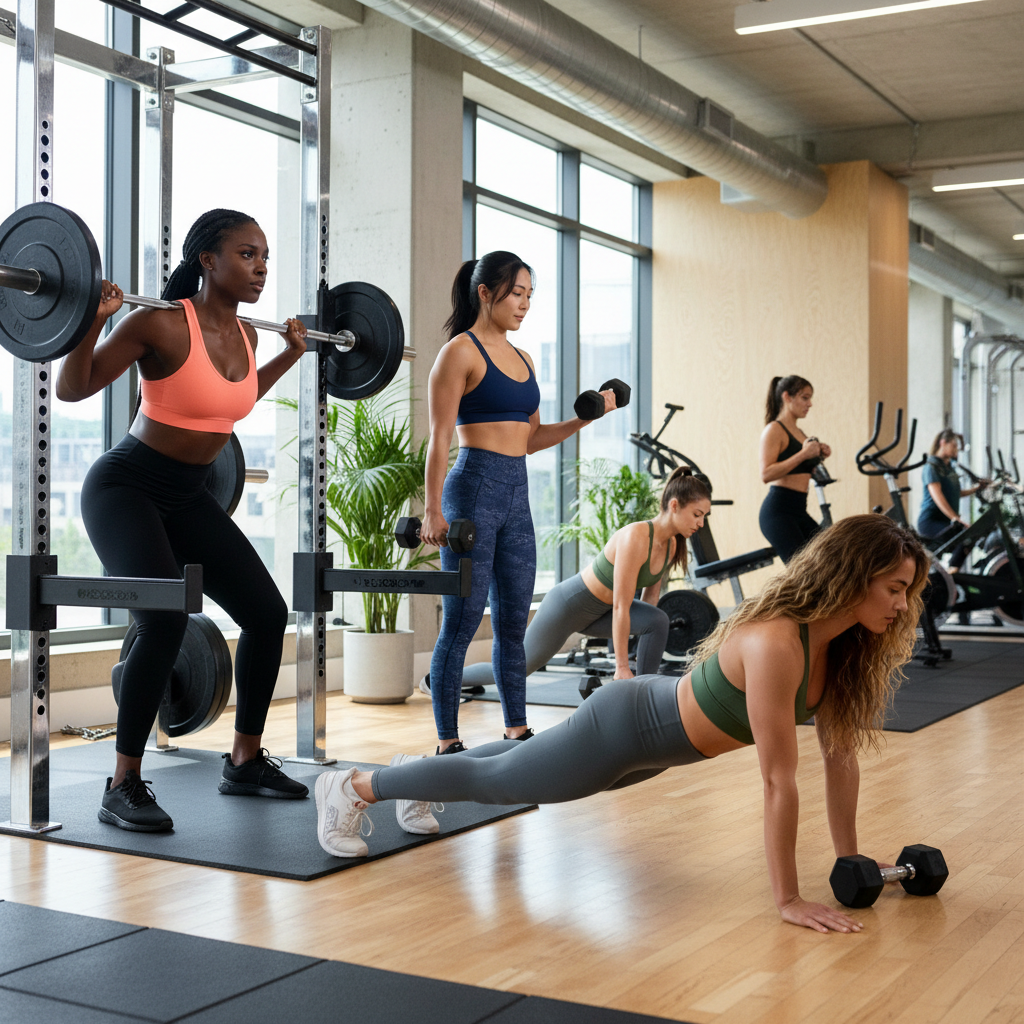
Key takeaway: buy for your most frequent workout, then add one or two “nice to have” pieces only after you trust the core items.
Common Myths and Shopping Traps (That Waste Money)
A lot of advice online sounds confident but breaks down in real use. Here are the traps that show up most often when shopping women fitness gear.
- Myth: “More compression is always better.” Too much compression can limit breathing and cause discomfort. Support should feel stable, not restrictive.
- Myth: “Cotton is fine for workouts.” For low-sweat sessions it can be okay, but many people find cotton stays wet and increases friction.
- Trap: buying a set for the look. Matching sets are fun, but if either piece fails a movement test, you’ll stop wearing both.
- Trap: relying on influencer fit alone. Body proportions and sweat patterns vary, so use reviews for durability notes, not as a guarantee.
If you have skin sensitivity, recurring chafing, or pain that shows up during exercise, consider talking with a clinician or qualified coach, especially if changing gear and sizing does not help.
How to Build a Small, Reliable Kit (Without Overbuying)
If you want a practical starting point, keep it boring in the best way: a small rotation you trust, then upgrade when something earns its place.
- 2 sports bras that match your highest-impact day
- 2 bottoms you can squat and move in confidently
- 1 pair of shoes matched to your main training type
- 1 light layer for warm-up and temperature shifts
- Optional: one pocketed piece for walks, errands, and travel days
For care, wash performance fabrics gently and avoid high heat when possible, because many stretchy blends lose elasticity faster in hot dryers. If you’re unsure about a specific material, the brand’s care label usually offers the safest baseline.
Conclusion: Buy for Fit, Support, and Your Real Routine
Most people don’t need a huge closet of women fitness gear, they need a few items that behave the same way every session: supportive, non-irritating, and durable enough to justify the price. When you choose based on workout type and do quick movement tests, you cut down on returns and end up training with fewer distractions.
If you want one next step, pick the category that bothers you most right now, usually bras, leggings, or shoes, and upgrade that first. Your workouts will feel different faster than you expect.
FAQ
What should I look for in women fitness gear if I sweat a lot?
Prioritize moisture-wicking fabrics, smooth seams, and items that dry fast. In many cases, a slightly more structured fabric also holds shape better when wet.
How do I know if my sports bra is the wrong size?
If the band rides up, straps dig in, or you still get uncomfortable bounce during jumps, sizing or style may be off. Many fit issues come from a too-loose band rather than the cups.
Are expensive leggings always squat-proof?
Not always. Sheerness depends on fabric knit, dye, and stretch on your body. Do a squat test in good lighting and consider sizing up or choosing a heavier fabric if needed.
Can I use running shoes for weight lifting?
For light lifting, many people do, but heavier strength work often feels better in a more stable shoe. If you notice wobbling or foot fatigue, consider a dedicated trainer or lifting shoe.
What inseam length helps prevent thigh chafing?
Many find 6–8 inch bike shorts reduce friction because they stay in place. That said, seam placement and fabric can matter as much as length.
How many sports bras do I really need?
Usually two solid options cover most routines, one in rotation and one as backup. If you train daily or sweat heavily, adding a third can reduce laundry pressure.
Is “compression” good for recovery?
Some people find compression comfortable after workouts, but it’s not a magic switch. If you have circulation concerns or numbness, it’s smart to check with a medical professional.
If you’re trying to upgrade your kit and want a more streamlined approach, make a short list of your main workouts and top two fit annoyances, then shop specifically for those pain points instead of chasing trends, it’s usually the fastest way to land on gear you actually wear.