
Cycling for fitness works best when you stop treating every ride like a test and start treating it like a repeatable habit you can recover from. If you ride hard every time, you might get fitter for a couple weeks, then stall, then wonder why your knees hurt or why motivation disappears.
This guide focuses on what actually makes cycling improve health: steady consistency, a few targeted workouts, and basic setup so your body tolerates the volume. You do not need fancy gear, but you do need a plan that fits your schedule and a couple non-negotiables around safety.
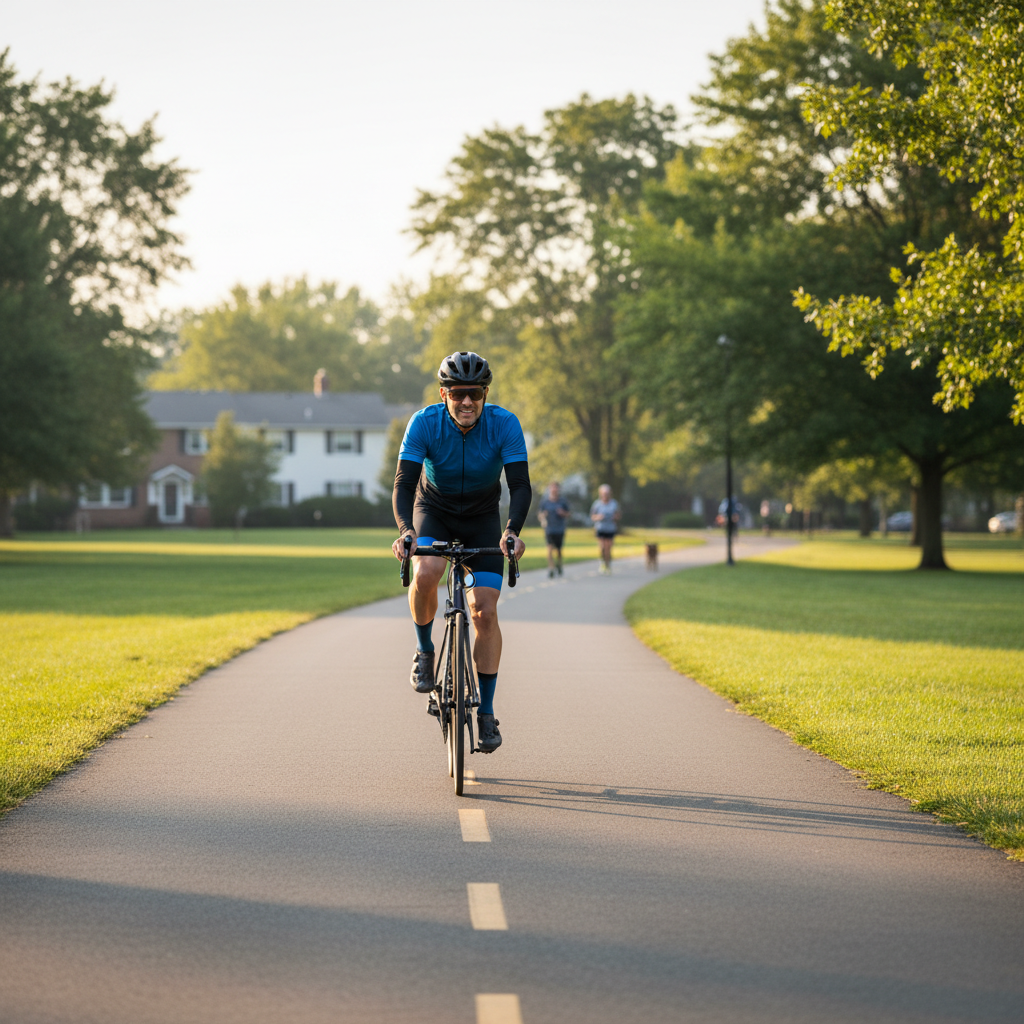
One more thing: many people say they want “fat loss” or “cardio,” but what they really want is energy, better blood pressure numbers, and a routine they can keep. We will cover training structure, fueling, common pain points, and when it makes sense to ask a professional for help.
What “cycling for fitness” really changes in your body
The biggest win is usually aerobic capacity, your body gets better at using oxygen and producing energy for longer efforts. That can translate into easier stairs, better stamina at work, and more resilient day-to-day energy.
According to the Centers for Disease Control and Prevention (CDC), adults benefit from regular aerobic activity, and cycling is a joint-friendly way many people can sustain. If you have a medical condition or you are returning after a long break, it may be smart to check with a healthcare professional before you ramp up.
- Heart and lung fitness: steadier breathing at a given pace, lower perceived effort over time.
- Metabolic health: many riders notice appetite regulation and better glucose control, though results vary by person and diet.
- Leg strength and muscular endurance: especially quads, glutes, and calves, plus core stability if your position is solid.
- Mental health: outdoor time and routine can help stress, but it is not a replacement for professional care when needed.
Quick self-check: which rider profile are you right now?
Before you pick workouts, identify what is actually limiting you. This takes 60 seconds and saves weeks of random riding.
- New or returning: you get sore quickly, and rides longer than 30–45 minutes feel like a big deal.
- Consistent but plateaued: you ride often, but your pace and energy feel stuck.
- Time-crunched: you can only ride 2–3 times per week, and weekends are your main window.
- Fit but “fragile”: you can go hard, but knees, back, neck, or hands complain.
If you are unsure, assume “new or returning” and build up gradually. For cycling for fitness, volume that you can repeat beats a heroic week you cannot recover from.
Bike setup and comfort: the unsexy stuff that prevents injuries
A slightly off fit can turn a healthy routine into nagging pain. You do not need a full studio fitting to start, but you do need the basics in the right range.
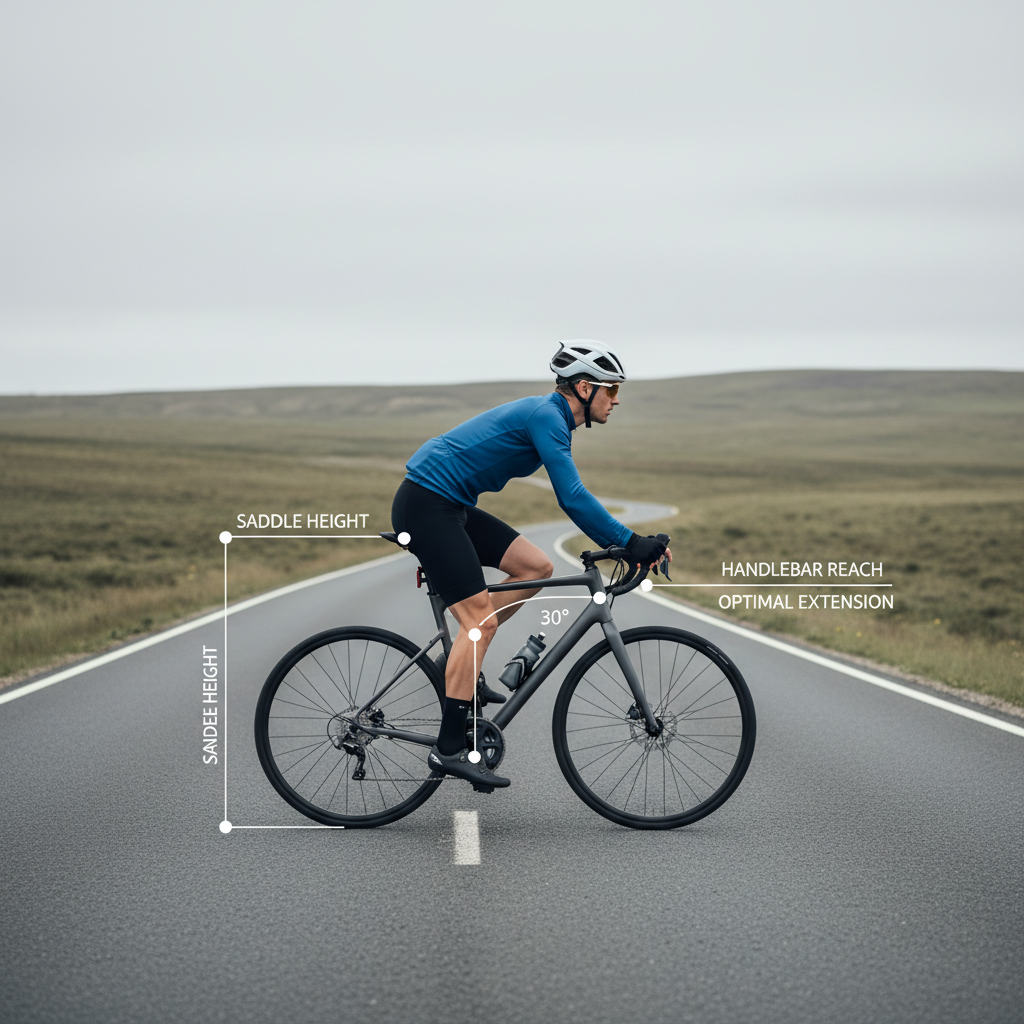
Simple fit checks you can do at home
- Saddle height: with your heel on the pedal at the bottom of the stroke, your leg should be close to straight, then ride with the ball of your foot, which adds a small bend.
- Saddle fore-aft: if you feel jammed at the front of the knee, you might be too far forward, if you feel you cannot engage glutes, you might be too far back.
- Handlebar reach: you should not feel like you are holding a push-up all ride, slight bend in elbows, shoulders relaxed.
- Contact points: numb hands or “hot foot” often improves with better gloves, shoe fit, or small saddle tilt adjustments.
Comfort upgrades that usually matter more than speed
- Padded shorts, used without underwear, can reduce chafing for longer rides.
- A brighter rear light and reflective elements often increase safety more than any performance part.
- Wider tires at appropriate pressure can make rides feel smoother and reduce fatigue.
If pain shows up fast, gets worse each ride, or involves sharp joint pain, consider a professional bike fit or a clinician evaluation. Guessing can keep you stuck.
Training principles that actually work (without overthinking)
If your goal is health, you want a mix of easy riding and small doses of harder work. Many riders do the opposite, they ride medium-hard all the time, which feels productive but often limits progress.
According to the American Heart Association, consistent moderate-to-vigorous physical activity supports cardiovascular health. The practical translation for cycling is: most rides should feel manageable, and a minority should feel challenging.
Key takeaways to keep in mind
- Easy rides build your base: you should be able to talk in full sentences.
- Hard rides create adaptation: short intervals or sustained efforts, followed by real recovery.
- Rest is training: if you never feel fresh, your “fitness plan” becomes a fatigue plan.
Sample weekly plans (pick one and run it for 4 weeks)
These are templates, not laws. If you are new, keep intensity conservative. If you take medications or have heart-related concerns, it may be safer to use perceived effort and talk with a professional about appropriate limits.
Plan A: Beginner or returning (3 rides/week)
- Ride 1: 25–40 min easy, smooth cadence.
- Ride 2: 30–45 min easy, add 4 x 20 sec faster spinning with lots of easy between.
- Ride 3: 40–60 min easy, flat route, keep it pleasant.
Plan B: General fitness (4 rides/week)
- Ride 1: 35–60 min easy.
- Ride 2: intervals, 6 x 2 min hard-ish, 2–3 min easy between.
- Ride 3: 30–45 min easy recovery spin.
- Ride 4: longer ride, 60–120 min mostly easy.
Plan C: Time-crunched (3 rides/week, efficient)
- Ride 1: 45 min with 3 x 6 min steady “comfortably hard.”
- Ride 2: 30–40 min easy.
- Ride 3: 60–90 min easy with a few short hills if you feel good.
Effort guide: use this table when you do not have a power meter
Numbers help, but you can get very far with perceived effort and the talk test. This keeps cycling for fitness accessible and less gadget-dependent.
| Zone (simple) | How it feels | Talk test | Typical use |
|---|---|---|---|
| Easy | Comfortable, you could go a long time | Full sentences | Most rides, recovery, longer distance |
| Moderate | Working, but controlled | Short sentences | Steady efforts, hills, tempo blocks |
| Hard | Uncomfortable, focus required | Single words | Intervals, short climbs |
| All-out | Sprinting, cannot sustain long | No talking | Very short bursts, optional |
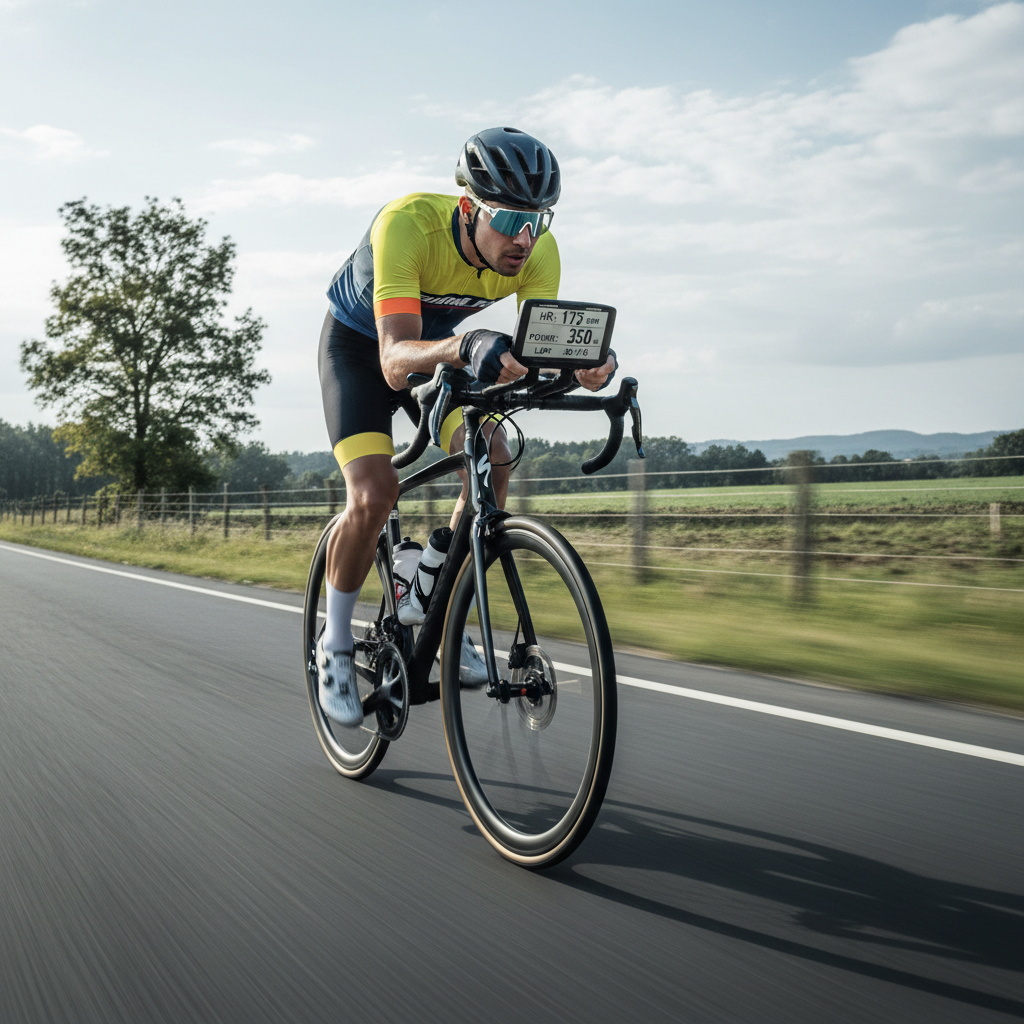
If you only remember one rule, remember this: if every ride feels “moderate,” you probably need more truly easy days, not more grit.
Practical nutrition, hydration, and recovery (no extremes)
You can sabotage progress by under-fueling, especially if you ride in the morning and try to “push through.” That approach may work for a week, then cravings and fatigue show up.
- Under 60 minutes: water often enough, eat normally around the ride.
- 60–120 minutes: consider bringing a snack, many people do well with carbs they tolerate, plus water.
- After riding: a balanced meal with protein and carbs supports recovery, sleep still matters more than supplements.
- Hydration: hot weather changes everything, if you feel dizzy or get chills, stop and cool down.
According to the Academy of Nutrition and Dietetics, nutrition needs vary widely, so if weight loss, diabetes management, or GI issues are part of your goal, a registered dietitian can help you avoid trial-and-error misery.
Common mistakes that slow progress (and what to do instead)
- Doing too much intensity: swap one hard ride for an easy spin, then reassess in two weeks.
- Ignoring pain signals: discomfort from effort is normal, sharp joint pain is not, adjust fit and reduce load.
- Chasing speed on every ride: pick one “quality” session per week, let the other rides be calmer.
- Skipping strength work forever: 10–20 minutes twice a week can help hips, knees, and posture.
Simple off-bike strength (2 rounds, bodyweight)
- Squats or sit-to-stands x 8–12
- Hip hinge or glute bridge x 10–15
- Calf raises x 12–20
- Plank variation x 20–40 seconds
When to get professional help (worth it sooner than people think)
If your main barrier is pain, repeated illness, or big fatigue swings, you might not need “more motivation,” you might need better inputs and a safer ramp rate.
- See a clinician soon if you have chest pain, fainting, unusual shortness of breath, or symptoms that feel alarming.
- Consider a physical therapist for recurring knee pain, Achilles issues, or low back pain that flares with riding.
- Consider a bike fitter when discomfort persists despite small adjustments, especially numb hands or saddle pain.
- Consider a coach if you have time but no structure, a good plan can keep cycling for fitness enjoyable.
Wrap-up: make it easy to repeat
The healthiest riders are rarely the ones who crush a single workout, they are the ones who show up, recover, and build week after week. Keep most rides easy, add one focused session, and treat comfort and safety like part of training, not an afterthought.
If you want one action today, pick a 3-ride schedule you can actually protect on your calendar, then commit to four weeks before you judge results.
FAQ
How many days a week should I do cycling for fitness?
For many adults, 3–5 days per week works well, but the “right” number depends on recovery, schedule, and how hard you ride. If you feel worn down, reduce intensity before you reduce frequency.
Is cycling enough for weight loss, or do I need strength training too?
Cycling can support weight loss, but outcomes usually depend on total lifestyle, including food and sleep. Strength training helps preserve muscle and may reduce injury risk, even if you keep it minimal.
What is a good beginner distance on a bike?
Distance matters less than time and comfort. Many beginners do well starting with 20–40 minutes on flat terrain, then adding 5–10 minutes every week or two if recovery stays good.
Should I ride every day if my goal is better cardio?
Daily riding can work if most rides stay truly easy, but many people accidentally drift into medium-hard efforts. If you want to ride daily, make at least 2–3 days gentle enough that you finish feeling better than you started.
How do I avoid knee pain when cycling?
Knee pain often relates to saddle height, too much intensity too soon, or pushing big gears at low cadence. Small fit tweaks and easier gearing usually help, but persistent pain deserves a professional look.
Is indoor cycling as good as outdoor riding for fitness?
Yes for cardiovascular gains, and it is often easier to control effort indoors. Outdoor riding adds handling skills and variety, but consistency matters more than location.
Do I need a heart rate monitor or power meter?
No, the talk test and perceived effort work well for most health goals. Devices can help you pace, but they also can push some riders into overtraining if every ride becomes a numbers chase.
Want a simpler way to stay consistent?
If you are trying to make cycling for fitness stick but keep running into the same barriers, like not knowing what to ride, going too hard, or getting uncomfortable halfway through, it may help to follow a basic weekly template and adjust one variable at a time. That small amount of structure often feels more realistic than chasing a “perfect” plan.